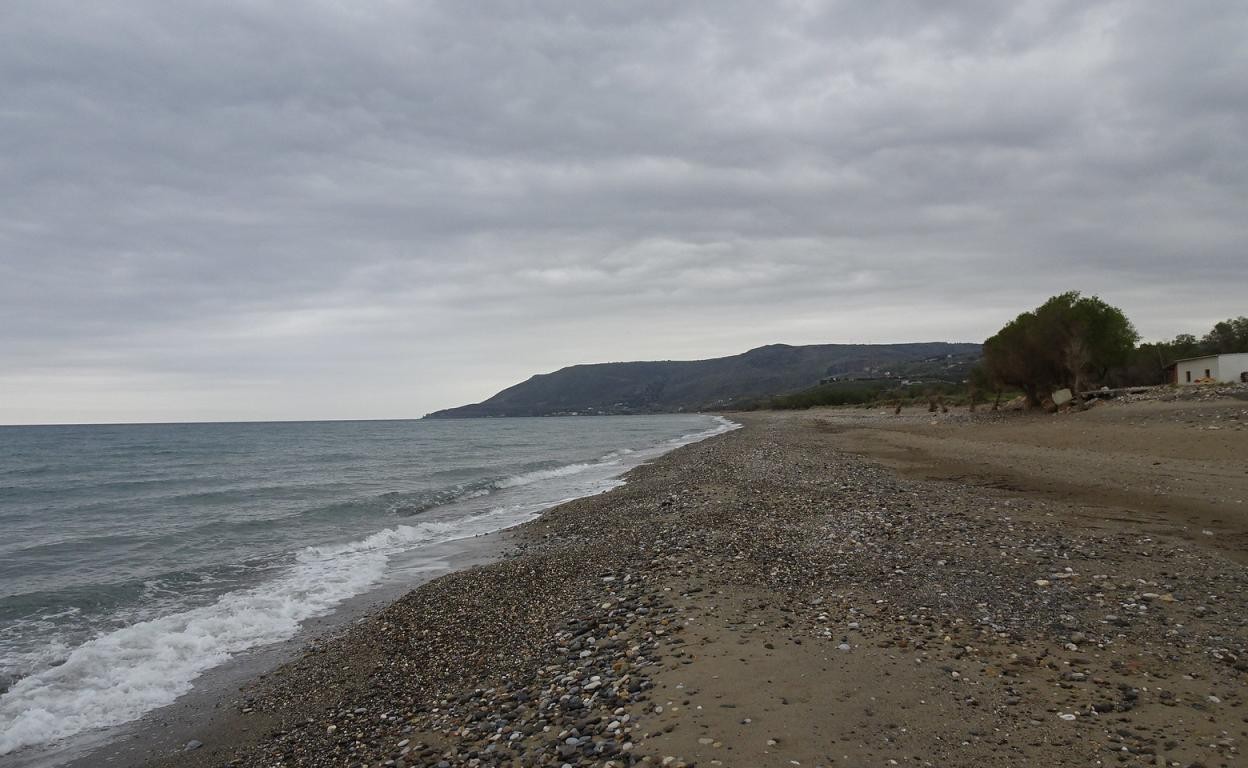
Crete — the largest of the Greek islands (260km long, 8,000 square kilometres), the southernmost point of Europe, and the site of the Minoan civilisation (Europe's first advanced civilisation, which flourished between 3000 and 1450 BCE and produced the remarkable Palace of Knossos, the world's earliest plumbing system and an art of extraordinary sophistication) — is one of the most varied and rewarding holiday destinations in the Mediterranean: an island large enough to contain a mountain range (the White Mountains, Psiloritis and the Dikti range all exceed 2,000 metres), deep gorges (Samaria Gorge is Europe's longest, at 18km), dozens of distinct beach environments from the pink-sanded lagoon of Elafonissi to the palm-grove beach of Vai, and four distinct regional cultures (the Cretans of Heraklion, Rethymno, Chania and Lasithi each maintain strong local identities) under a shared Cretan pride that makes the island one of the most authentically Greek destinations in Greece.
The Minoan civilisation — which predated Classical Greek culture by a thousand years and was only rediscovered by the British archaeologist Arthur Evans in 1900 — is the defining cultural heritage of Crete: the Palace of Knossos (5km south of Heraklion), with its sophisticated multi-storey architecture, throne room, ceremonial spaces and legendary association with the Minotaur myth, is the most important Bronze Age site in Europe; the Heraklion Archaeological Museum, housing the complete finds from Knossos and other Minoan sites (including the extraordinary frescoes of bull-leaping youths and lilies), is essential context.
Knossos & the Heraklion Museum
The Palace of Knossos — 5km south of Heraklion on a low hill above the Kairatos valley, excavated by Evans between 1900 and 1931 and partially reconstructed in a highly controversial manner (Evans's restorations, using reinforced concrete and painted replicas of the original frescoes, gave Knossos a definite but disputed character) — covers 22,000 square metres and includes the famous Throne Room (with its original alabaster throne, possibly the oldest throne in Europe), the Grand Staircase (a multi-storey light well of sophisticated engineering), the lustral basins and the theatrical area. A good guide or audio guide is essential (the site signage is inadequate for understanding the complex phasing of construction and reconstruction). The Heraklion Archaeological Museum (a 15-minute taxi from Knossos) has the original frescoes, the Phaistos Disc (an undeciphered spiral inscription on a clay disc, approximately 1700 BCE, one of archaeology's great unsolved mysteries) and the extraordinary collection of Minoan palace finds.
Samaria Gorge & the West
Samaria Gorge — 18km of limestone canyon descending from the Omalos plateau (1,200m) to the Libyan Sea at the village of Agia Roumeli — is Europe's longest gorge and Crete's most famous walking experience: a one-way descent (5–7 hours, 900m of descent) through increasingly narrow canyon (the Iron Gates section, where the walls close to 3.5 metres apart, is the defining image) with the Libyan Sea blue at the exit. The walk requires good fitness and appropriate footwear; boat transfers from Agia Roumeli back to the north coast (Chora Sfakion or Sougia) are essential as the gorge is one-way. Chania — Crete's most beautiful city (the old Venetian harbour, the lighthouse and the Splantzia quarter of Ottoman mansions converted to restaurants) — is the natural base for western Crete. Elafonissi Lagoon (75km south-west of Chania) — a tidal lagoon with shallow turquoise water, a pink-tinged sand island accessible by wading, and extraordinary colour — is consistently ranked among Greece's finest beaches.
Eastern Crete & Local Life
Eastern Crete — less visited than the Heraklion and Chania coasts — contains some of the island's finest beaches: Vai (Europe's only natural palm forest growing behind a crescent beach of very fine sand), the Sitia coast (unspoiled villages with excellent fresh fish tavernas), and the extraordinary Minoan palace of Zakros (the fourth great Minoan palace, at the island's eastern tip, with finds still being excavated and a gorge walk to the sea-level palace). The Lasithi plateau — an inland plateau at 840m, dotted with windmills and farming villages — has a Minoan connection (the Psychro Cave, possibly the birthplace of Zeus, is on the plateau edge). Cretan food — the Mediterranean diet in its original form, dominated by olive oil, wild herbs, fresh vegetables, cheese (Cretan graviera and anthotyros), dakos (barley rusk with tomato and feta), fresh fish and excellent local wine — is some of the finest in Greece; eat at village tavernas and ask for the daily special.