Galle Fort — a walled city on Sri Lanka's southwest coast, originally fortified by the Portuguese in 1589 and comprehensively rebuilt by the Dutch East India Company (VOC) between 1663 and 1729 — is the best-preserved example of a European colonial fortification in Asia and a UNESCO World Heritage Site of exceptional integrity. The Dutch-built fort walls (2.5km in circumference, 4–5 metres thick, reinforced by nine bastions) enclose a grid of streets containing over 400 buildings, the majority of them dating from the Dutch and British colonial periods — Dutch villas with carved teak doors, former trading warehouses now serving as boutique hotels and galleries, the Dutch Reformed Church (1754, the oldest Protestant church in Sri Lanka), the National Maritime Museum and the Galle Lighthouse at the southwestern tip.
What distinguishes Galle Fort from comparable colonial sites in Asia (Melaka in Malaysia, Vigan in the Philippines) is that it is a living, working town — roughly 400 families live within the fort walls, alongside an ecosystem of boutique hotels, independent restaurants, jewellery workshops, tailors, antique dealers and galleries that has developed organically over the past two decades into one of the most charming small destinations in Southeast Asia. The arrival of sophisticated accommodation (Amangalla, Galle Fort Hotel, The Fort Printers) has attracted a cosmopolitan visitor base, and the restaurants within the fort walls — serving Sri Lankan, Mediterranean and fusion food with ingredients from the south coast fishing community — are among the finest in the country.
The Ramparts Walk
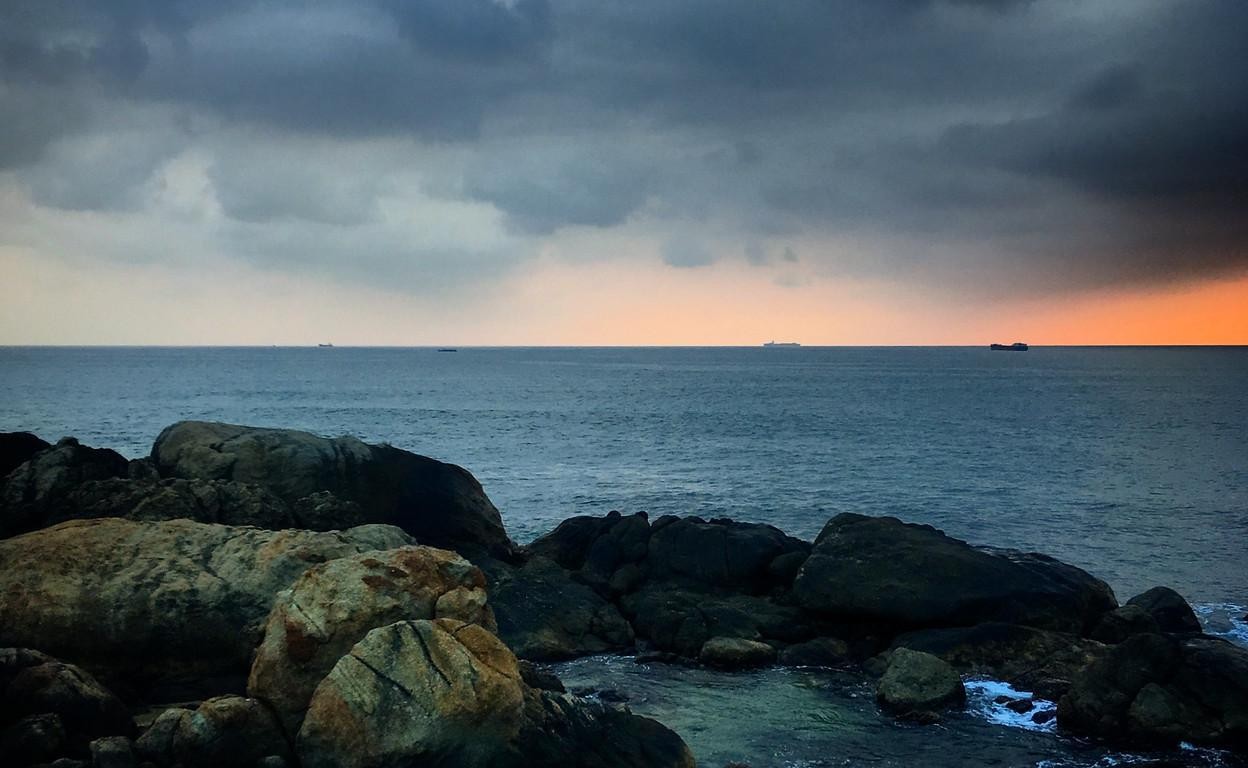
The walk along Galle Fort's ramparts — the thick Dutch-built walls that completely encircle the peninsular city, with views of the Indian Ocean on one side and the fort's colonial roofscape on the other — is the definitive Galle experience and one of the finest urban walks in Sri Lanka. The full circuit takes approximately 45–60 minutes at a gentle pace; the best sections are the southwestern ramparts at sunset, where the lighthouse, the bastions and the ocean create a composition of extraordinary tranquillity, and the northern sea gate, where the wall turns above the old harbour and fishing boats dot the water below. The cannon still mounted at the bastions date from the Dutch and British periods; several have been fired ceremonially within living memory.
Architecture & Streets
Walking Galle Fort's grid of streets is a pleasure in itself — the Dutch influence is legible in the house proportions (high ceilings, wide verandahs, teak-shuttered windows), the street grid (a deliberate Dutch rational layout overlaid on the earlier Portuguese settlement) and the church. Church Street and Middle Street have the best concentration of historic buildings and boutique enterprises. The Dutch Reformed Church (Groote Kerk) interior has flagstone tombs with Dutch VOC insignia and colonial-period inscriptions recording the names of merchants and soldiers who died in service far from Amsterdam. The Galle National Museum, in a former Dutch warehouse on Church Street, traces the fort's history from the Portuguese arrival to independence.
Galle Beyond the Fort
The South Coast between Galle and Matara (35km east) is Sri Lanka's most visited beach coastline, with the beach towns of Unawatuna (4km from Galle, excellent swimming beach with a turtle hospital), Weligama (30km east, a surf beach with consistent beginner-friendly breaks and affordable surf lessons), Mirissa (35km east, whale watching and beach) and Tangalle (60km east, remote beaches with loggerhead turtle nesting sites) all accessible on the coastal road. The Tsunami Honegger Memorial at Peraliya (15km east) marks the site where 2,000 people died on the No. 50 train destroyed by the 2004 Indian Ocean tsunami — a sober and important historical site. The entire south coast between Galle and Tangalle can be driven in a single day, with stops, on the coastal A2 road.