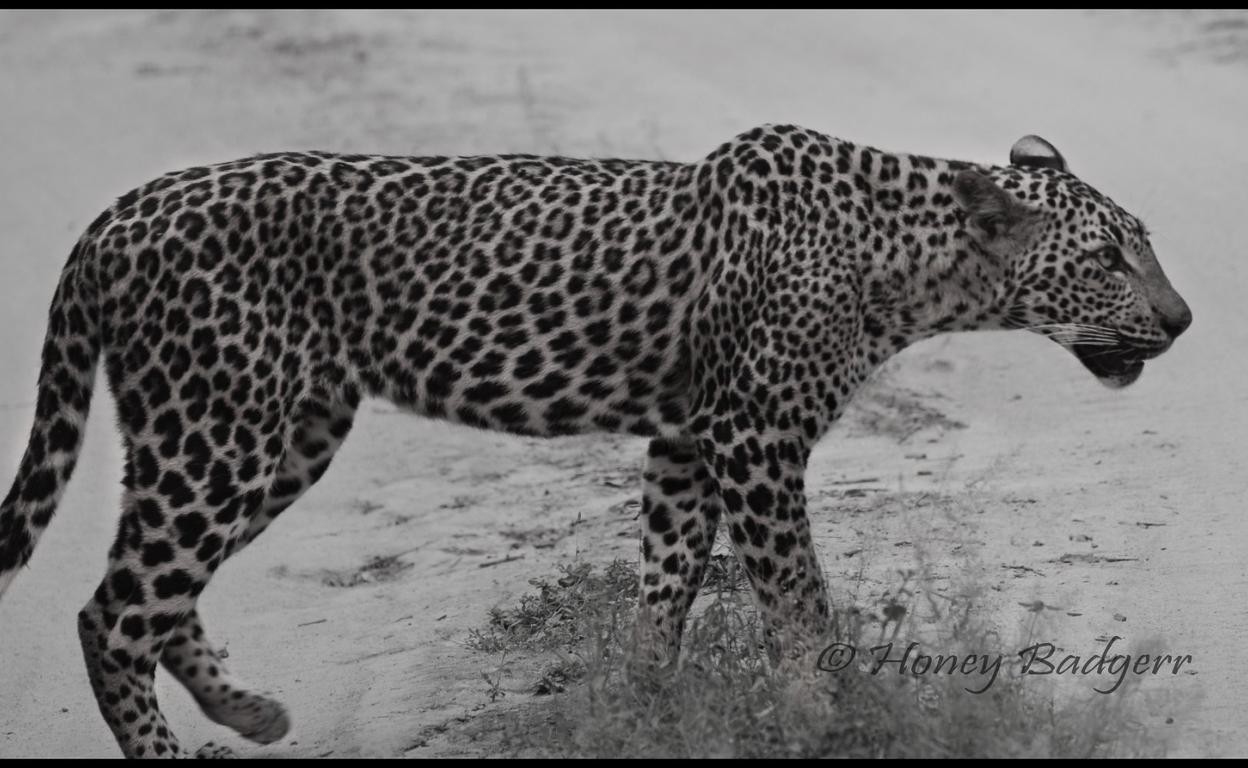
Yala National Park — 979 square kilometres of dry zone scrubland, lagoons, rocky outcrops and coastal wetlands in Sri Lanka's southeast — is the finest wildlife destination in Asia for big cat sightings and, together with Wilpattu in the northwest, the best place on earth to see leopards in the wild. The park's leopard population (estimated at 30–50 animals in the core Block 1 area) has the highest recorded density of leopards on earth — a consequence of the absence of large competing predators (no tigers in Sri Lanka since their extinction in the 19th century) that has allowed leopards to occupy an ecological niche as the apex predator and to adapt to more diurnal (daytime active) behaviour than their African cousins. Leopard sighting rates at Yala during the dry season (February–June) are extraordinary — some safari operators quote sighting rates above 70% for the best Block 1 routes.
Beyond leopards, Yala supports one of the largest concentrations of Sri Lankan elephants (a subspecies of Asian elephant, somewhat smaller than the African bush elephant), sloth bears, water buffalo, spotted deer, sambar deer, wild boar, mugger crocodiles and the extraordinary variety of water birds that the park's lagoon system supports: painted storks, black-necked storks, spot-billed pelicans, purple herons and numerous wader species. The coastal sections of the park have been designated a Ramsar wetland of international importance.
Safaris & What to Expect
Yala safaris operate from the park entrance at Palatupana — the standard format is a 3–5 hour morning or afternoon/evening game drive in an open-sided 4WD jeep with a tracker guide. Morning drives (departing 5:30–6am) are generally best for mammal sightings; afternoon drives (3–6pm) also excellent. The jeep density in Block 1 during peak season (February–June) is the park's main downside — popular leopard sighting areas can attract 20–30 jeeps simultaneously, which the animals seem remarkably indifferent to but which reduces the sense of wilderness. Booking with quality operators who use smaller vehicles and prioritise positioning over proximity helps; early morning drives in the September–November shoulder season offer a significantly more solitary experience.
Leopard Sightings
Yala's leopards are renowned for their relative indifference to vehicles — years of exposure to safari jeeps has made them habituated to vehicle presence in a way that makes for extraordinary viewing. Sightings range from the classic "spot in a tree" to extended ground-level views of leopards walking, grooming, feeding on kills and occasionally mating. The rock outcrops of the Sithulpawwa area and the scrubland around the Karaugaswala waterhole are among the most productive areas for leopard sightings. Success rates vary significantly — arriving from July to September (when the park partially closes) sees fewer visitors; February to June (peak dry season, when animals concentrate around water) sees the highest sighting probability.
Beyond Block 1
Yala's less-visited blocks (2, 3, 4 and 5) are open only to researchers and conservation partners, but neighbouring Udawalawe National Park (90km west) is Sri Lanka's best destination for elephants specifically — the park is home to over 500 elephants and sightings are almost guaranteed, with large herds often visible in open grassland around the Udawalawe Reservoir. The Elephant Transit Home at Udawalawe (a rehabilitation centre for orphaned elephants, open for visitor viewing during twice-daily feeding sessions) is one of Sri Lanka's most rewarding wildlife experiences. Bundala National Park (40km west of Yala) is an outstanding bird sanctuary with wintering flamingos (November–March) and numerous endemic species.