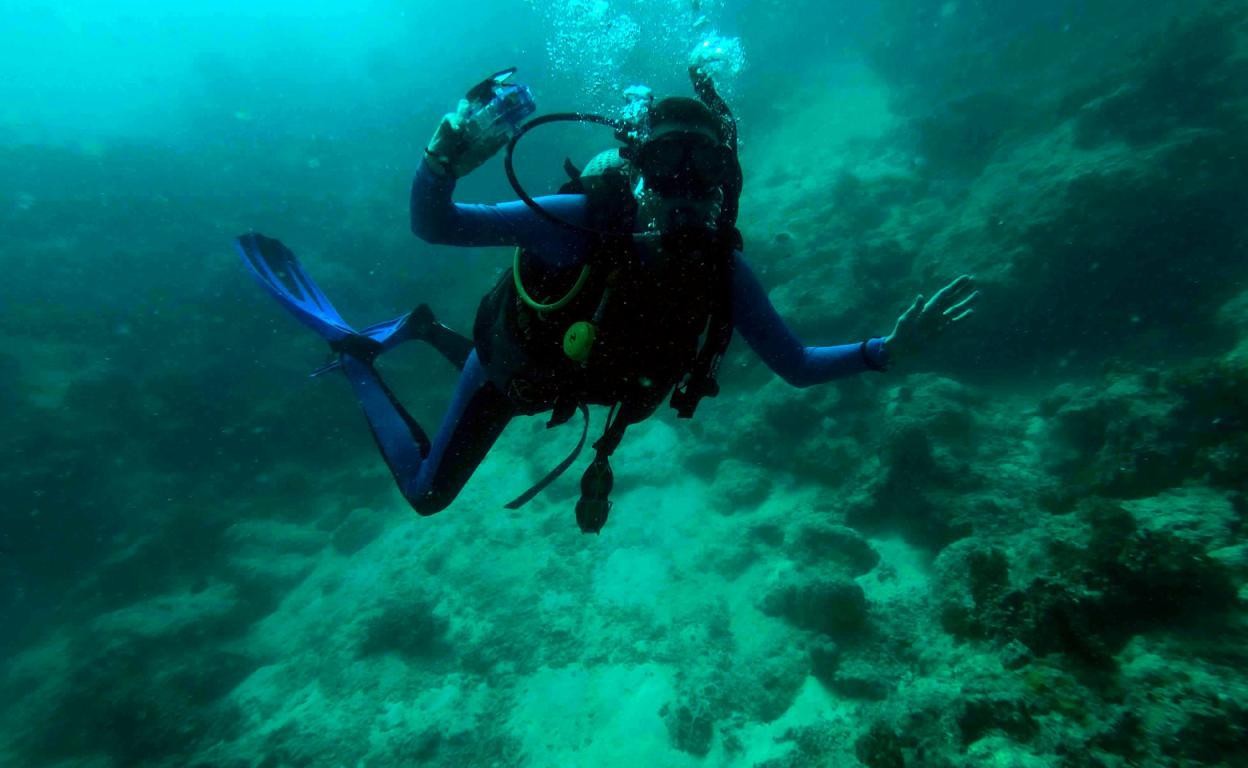
The Great Barrier Reef — the world's largest coral reef system, stretching 2,300km along the north-eastern coast of Queensland from Cape York in the north to the Capricorn Group in the south, comprising 2,900 individual reefs and 900 islands, covering an area of approximately 344,000 square kilometres (larger than the UK and Ireland combined), visible from space, a UNESCO World Heritage Site since 1981 described in the listing as "of superlative natural beauty" and "among the most significant natural areas on Earth" — is both the finest marine environment accessible to non-specialist visitors anywhere in the world and one of the most threatened ecosystems on the planet, its coral coverage having declined by approximately 50% since 1985 due to a combination of ocean warming (causing coral bleaching events), Crown-of-Thorns starfish outbreaks, and tropical cyclone damage. The urgency of the threat — and the Australian government's ongoing debates about the reef's World Heritage "danger list" status — gives any visit to the Great Barrier Reef a dimension of environmental engagement that the pure tourism experience cannot entirely exclude.
For UK visitors, the Great Barrier Reef is most conveniently accessed from Cairns (the gateway city, 5 hours by direct flight from Sydney or Melbourne, with daily connections from Europe via Sydney or Melbourne), with Port Douglas (65km north of Cairns, quieter and more upscale) and the Whitsunday Islands (the central reef section, 1 hour by light aircraft from Cairns, accessible from the Airlie Beach township on the mainland) as the principal alternatives. The reef experience for day visitors ranges from the glass-bottomed boat (entirely passive; the Reef Fleet Terminal in Cairns operates daily large-vessel tours to the outer reef) to snorkelling from a pontoon (the most common experience; day trips to the outer reef take 1.5–2 hours each way by fast catamaran), to fully certified scuba diving (the finest way to experience the reef below 3 metres depth where the most spectacular coral and large fish are concentrated).
Day Trips from Cairns & Port Douglas
The standard outer reef day trip from Cairns — departing the Reef Fleet Terminal at 8am on a fast catamaran, reaching the outer reef (Moore Reef, Norman Reef, Hastings Reef or Michaelmas Cay depending on operator) at approximately 9:30–10am, returning by 5:30pm, approximately AUD 200–280 per adult including snorkelling equipment and a guided snorkel tour — is the most accessible way to see the reef: the outer reef (beyond the lagoon zone, where the water is clear to 20–30 metres and the coral structures most impressive) is a 1.5–2 hour boat ride from Cairns and requires no diving qualification to experience from the surface. Certified divers can book introductory or certified dives through the boat operators for an additional AUD 70–150 per dive. The most reputable operators from Cairns include Silverswift (fast vessel, small groups, outer reef) and Calypso Reef Cruises. Port Douglas operators (Quicksilver, operating the Agincourt Ribbon Reef — considered among the finest accessible reef sections — with a daily catamaran service; approximately AUD 250) provide access to generally quieter and more pristine reef sections 1.5 hours north of Cairns.
Liveaboard Dive Boats
The liveaboard dive experience — 2–4 nights aboard a dedicated dive vessel, departing Cairns and anchoring at successive outer reef and Coral Sea dive sites including Cod Hole (the dive site on Ribbon Reef 10, where large potato cod (grouper) up to 1.5 metres long swim at arm's length with divers), SS Yongala (the wreck of a 109-metre passenger ship sunk in a cyclone in 1911, lying at 15–30 metres off Townsville, covered in corals and surrounded by the most concentrated marine life in the Great Barrier Reef — considered one of the world's top 10 dive sites), and the Osprey Reef (in the Coral Sea, 230km north-east of Cairns, with walls dropping to 2,000 metres and regular hammerhead shark sightings) — is the finest single marine experience available to certified divers in Australia. Prices from approximately AUD 700–1,200 for a 3-night/8-dive liveaboard; book through Tusa Dive or Mike Ball Dive Expeditions (the two most reputable Cairns-based liveaboard operators).
Whitsundays & Visiting Responsibly
The Whitsunday Islands — 74 islands in the central Great Barrier Reef, accessible from Airlie Beach township (1 hour by light aircraft from Cairns; 8 hours by car from Brisbane), home to Whitehaven Beach (the finest silica-sand beach in Australia, accessible only by boat or seaplane, its silica content giving the sand a luminous white-blue quality) and the Hardy Reef Heart (the naturally heart-shaped coral formation visible from scenic flights) — are the alternative Great Barrier Reef base for those prioritising islands, sailing and the visual drama of the Whitsunday Passage (the strait between the islands, sailed by James Cook in 1770 on a Whitsunday). Bareboat sailing charters (no licence required for simple catamarans up to 12 metres) and guided island-hopping tours are the principal activities. Visiting the reef responsibly requires selecting operators accredited under the GBRMPA Advanced Eco Certification programme (check the certification at the Cairns Reef Fleet Terminal) and following reef etiquette: no touching coral, no standing on the reef, no feeding fish.