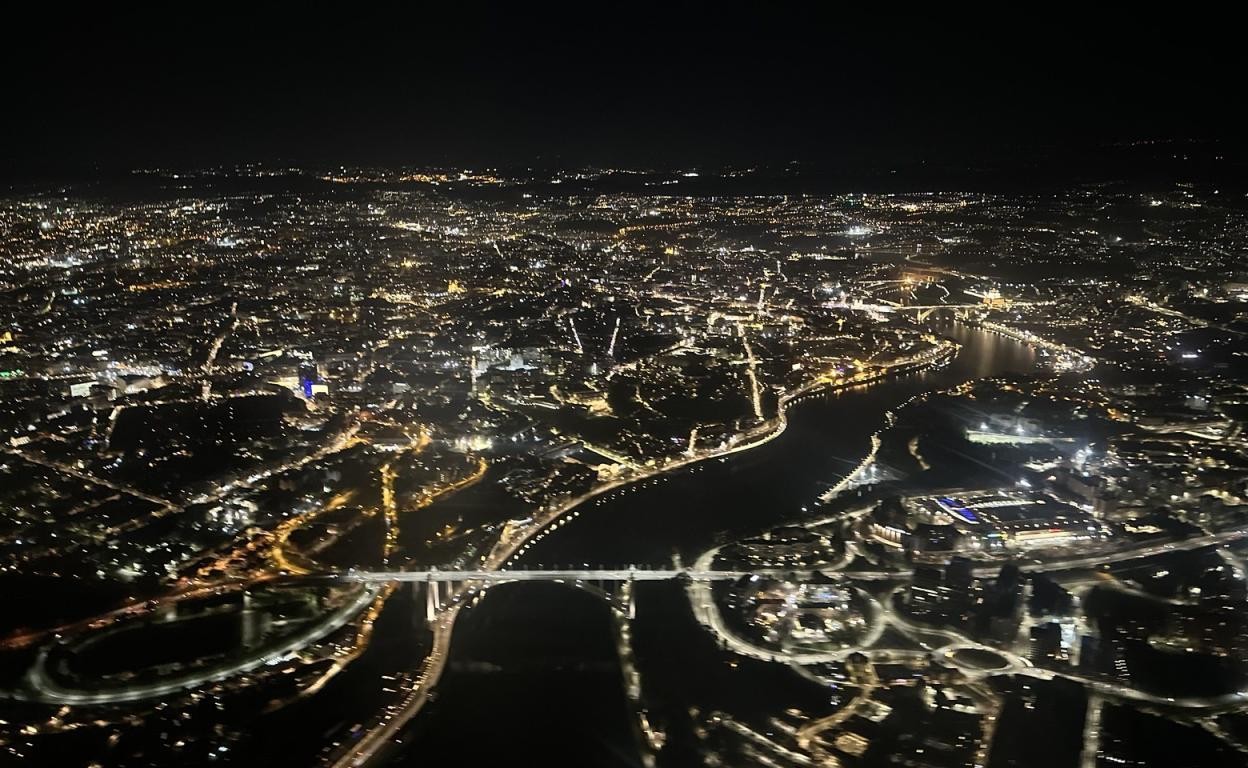
Porto (Oporto) — Portugal's second city, set on the granite cliffs above the Douro River estuary 3km from the Atlantic, a UNESCO World Heritage Site since 1996 — is one of Europe's most characterful and most visited cities: a place of extraordinary visual density (baroque azulejo-tiled church facades, Iron Age granite, Pombaline towers and contemporary architecture by Portuguese architects Álvaro Siza Vieira and Souto de Moura visible from the same street) and extraordinary wine culture (the port wine cellars of Vila Nova de Gaia, across the Douro from the Ribeira district, have been ageing the wine of the Douro Valley in their lodges since the 17th century, when British merchants established the trade that still defines the product today). Porto is also the birthplace of J.K. Rowling's inspiration for Hogwarts (she taught English in Porto in the early 1990s, and the neo-Gothic Livraria Lello bookshop and the São Bento station hall both influenced the Harry Potter universe in documented ways).
The Ribeira — the historic waterfront district on the north bank of the Douro, its medieval houses and wine merchants' lodges painted in the warm ochre and terracotta that defines Porto's palette — is the city's visual heart: the Dom Luís I Bridge (a double-deck iron arch of 1886, designed by Théophile Seyrig, Gustave Eiffel's former partner, crossing the Douro in a single span of 172 metres) connects the Ribeira to the Vila Nova de Gaia waterfront on the south bank, its upper deck a footpath with the finest view of the city, its lower deck carrying the metro and road traffic. The view from the bridge — the Douro below, the Ribeira cliffs to the left, the Gaia lodges and their port wine company signs to the right, and the Atlantic visible as a silver horizon at the river mouth — is Porto's defining urban panorama.
Port Wine & the Vila Nova de Gaia Cellars
The Vila Nova de Gaia wine lodge district — immediately across the Dom Luís I Bridge from the Ribeira — contains the cellars (lodges) of all the major port wine houses: Graham's, Taylor's, Ramos Pinto, Sandeman, Croft, Fonseca and Quinta do Crasto all offer guided cellar tours and tastings (approximately €15–25 per person including 2–3 wine samples; the premium experiences at Graham's and Taylor's are significantly more comprehensive). The tour explains the ageing process (tawny port aged in small oak barrels; ruby in large vats; vintage port bottled after 2 years), the historical relationship between British merchants (who established the trade in the 17th century to supply Britain's wine needs after the embargoes against France) and the Douro Valley quintas (wine estates), and the extraordinary range of port wine styles from dry white port (an aperitif often served locally over ice with tonic) to the 40-year-old tawny ports of extraordinary complexity. The hillside of Gaia above the lodges has several rooftop bars with excellent views of Porto across the river.
Livraria Lello, São Bento & the City
Livraria Lello (Rua das Carmelitas 144) — the neo-Gothic bookshop of 1906, its double-branching red staircase and stained glass ceiling among the most extraordinary interior spaces in Porto — charges a €5 entry fee (redeemable against book purchases) that has reduced the queues from 2-hour affairs to manageable 20-minute waits; visit in the early morning or late afternoon for the best experience. São Bento train station (Praça Almeida Garrett) — the terminus of the suburban rail network, completed in 1916 — has an extraordinary azulejo tile hall of 20,000 blue-and-white tiles depicting scenes from Portuguese history, painted by Jorge Colaço between 1905 and 1916; it is the finest decorative tile scheme in Portugal and can be visited free (the station is operational). The Igreja de Santo Ildefonso (the church behind the station) has an exterior entirely covered in azulejo tiles; the Igreja do Carmo and Igreja dos Carmelitas (twin baroque churches on Praça dos Leões, sharing a wall) complete the azulejo triptych of Porto's baroque tile culture.
The Douro Valley Wine Region
The Douro Valley — 100km east of Porto, the narrow gorge of the Douro River through the Trás-os-Montes schist landscape, the oldest demarcated wine region in the world (the boundaries were established by the Marquis of Pombal in 1756 to protect the authenticity of port wine) — is one of the most spectacular agricultural landscapes in Europe: the terraced vineyards cut into the schist hillsides above the river, accessible by the Douro railway line (the most scenic rail journey in Portugal, from Porto Campanhã to Pocinho through the full valley, 3.5 hours, approximately €14) or by river boat cruise (full-day cruises from the Gaia waterfront). The Quinta da Pacheca (near Régua), Quinta do Crasto (Cima Corgo) and Quinta da Regaleira (Pinhão area) all offer accommodation and cellar visits within the valley. Pinhão — the small riverside town at the heart of the valley, its station decorated with the finest azulejo tile panels of any rural station in Portugal — is the ideal base for Douro Valley exploration.