Paphos — a city on the south-western coast of Cyprus with a history extending over 4,000 years, from Mycenaean settlement through Ptolemaic capital to Roman provincial centre — contains one of the Mediterranean's richest concentrations of ancient remains: the Paphos Archaeological Park (Kato Paphos Archaeological Park), a UNESCO World Heritage Site since 1980, preserves extraordinary Roman mosaic floors — among the finest in the Eastern Mediterranean — within the remains of noble and imperial villas, alongside a Hellenistic theatre, early Christian basilicas, a medieval fortress and a lighthouse, all within a compact coastal park that can be walked in 2–3 hours. The quality of the mosaics — depicting scenes from Greek mythology in colours so vivid they appear freshly laid despite being 1,700 years old — places Paphos among the most important Roman art sites in Europe.
Cyprus itself holds a special place in Mediterranean mythology as the birthplace of Aphrodite, goddess of love: the rock formation of Petra tou Romiou (the "Rock of the Greek"), 25km east of Paphos on the Limassol road, rises dramatically from the sea at the spot where, according to Hesiod, Aphrodite was born from the foam of the waves. The site — a layered sea stack of pale limestone — is one of Cyprus's most photographed landscapes, best seen in the early morning before the tour buses arrive or at sunset when the rock turns gold against the sea.
The Mosaics & Villas
The Paphos Archaeological Park's centrepiece is its collection of Roman mosaic floors, preserved under protective canopied shelters within the ruins of four Roman villas: the House of Dionysus (the most celebrated, with 14 mosaic panels depicting Dionysus's birth, the myth of Narcissus and hunting scenes), the House of Theseus (the largest villa, thought to have been the residence of the Roman governor, with a magnificent circular mosaic of the first bath of Achilles), the House of Aion (the most recently uncovered, with a five-panel mosaic of exceptional mythological complexity) and the House of Orpheus (with a mosaic depicting Orpheus charming the animals). All four houses are within the park boundary and covered by the single park entry ticket (approximately €6.50 adult). The Saranda Kolones castle ruins (a Byzantine fortification later used by the Crusaders, dramatically destroyed by an earthquake in 1222) are also within the park.
Tombs of the Kings
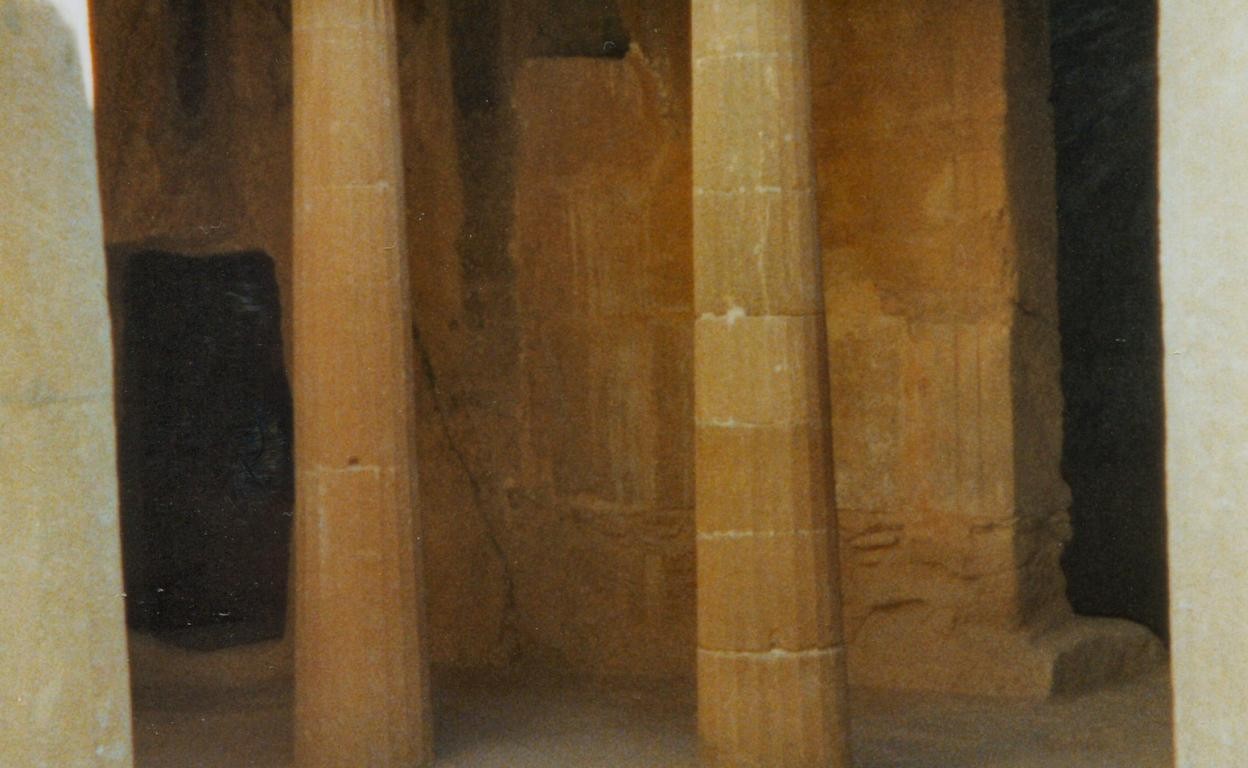
The Tombs of the Kings — 2km north of the main archaeological park along the coastal road — is a separate UNESCO-listed site: a necropolis of 100 rock-cut underground tombs dating from the 3rd century BCE to the 3rd century CE, carved into the living rock of the coastal cliffs in imitation of Egyptian and Macedonian royal architecture. Despite the name, no kings are buried here (the necropolis served Paphos's upper classes and Ptolemaic administrators); the scale of some tombs — with underground courtyards ringed by Doric columns cut from the rock, reception rooms and multiple burial chambers — reflects the remarkable wealth and Hellenistic cultural ambition of Ptolemaic Cyprus. Entry is approximately €3; early morning visits are strongly recommended to avoid the midday heat in the exposed site.
Paphos Town & Petra tou Romiou
Paphos town itself divides into Kato Paphos (the lower harbour district, dominated by the 13th-century Paphos Castle on the harbour wall, €2.50 entry, excellent harbour views) and Ktima (the upper town, where the Cyprus Museum Paphos and the Byzantine Museum have complementary collections of archaeological material from the region). The 25km drive east along the B6 coastal road to Petra tou Romiou — the rock of Aphrodite's birth — passes through some of Cyprus's most beautiful and least-developed coastline, with several good stopping places for swimming in the clear water of Asprokremmos Bay. Sunset at Petra tou Romiou, with the rock and its shadows cast across the sea, is one of Cyprus's finest natural spectacles.