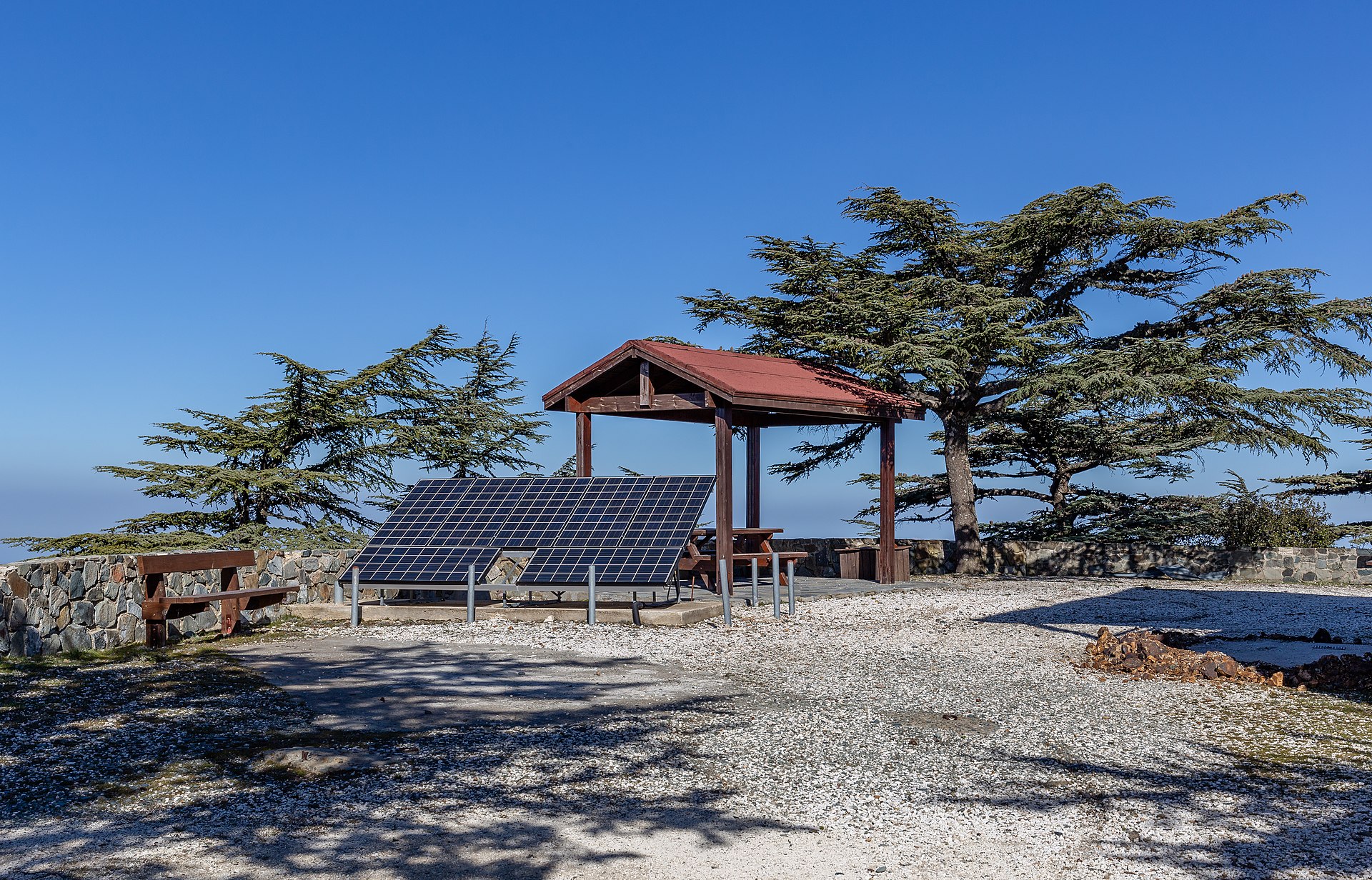
The Troodos massif — the central mountain range of Cyprus, rising to 1,952 metres at Mount Olympos, the island's highest point — is a world apart from the coastal resorts that define Cyprus for most visitors: a landscape of cedar and pine forest, terraced vineyards, rushing streams (a rarity on a Mediterranean island), stone-built mountain villages where traditional Cypriot culture survives almost unchanged, and an extraordinary heritage of Byzantine Christian art. The Troodos region contains nine painted Byzantine churches that together constitute a UNESCO World Heritage Site (listed 1985, expanded 1999) — a collection of 11th–16th-century fresco cycles in extraordinary states of preservation, hidden within modest village chapels across the mountain landscape, representing the most complete surviving record of Byzantine painting outside the Cappadocian churches of Turkey.
The mountain villages — Kakopetria, Platres, Omodos, Lefkara, Agros — each have distinct characters formed by their traditional crafts and products: Lefkara is famous for its lace (lefkaritika, mentioned by Leonardo da Vinci who allegedly purchased a lace altar cloth here for Milan Cathedral in 1481) and silver jewellery; Agros for its rose water and rose-petal products distilled in the village stills; Omodos for its wine and the medieval Timios Stavros monastery in the village centre. The Commandaria wine region — the world's oldest named wine, produced in 14 villages on the southern slopes of the Troodos — has been made continuously since the Crusader period (the name derives from the Commanderie, the Knights Hospitaller estate that produced it).
The UNESCO Painted Churches
The nine UNESCO-listed painted Byzantine churches of the Troodos are the primary reason serious travellers venture inland from the coast. The most celebrated — and most accessible — are: the Church of Agios Ioannis Lampadistis (Kalopanagiotis, a three-aisled monastery church with a particularly complete 15th-century fresco cycle in the Latin chapel), the Church of Panagia tou Araka (Lagoudera, the finest single cycle, with extraordinary 12th-century mosaics and paintings of exceptional quality), and the Church of Transfiguration of the Saviour (Palaiochori, with unusually vivid 16th-century post-Byzantine painting). All are still active Orthodox churches; modest dress is required (scarves and wraps provided at most); a donation of €1–2 per person is customary. An excellent Troodos painted churches map is available from the Cyprus Tourism Organisation.
Kykkos Monastery & Mount Olympos
Kykkos Monastery — 20km west of Pedoulas in the western Troodos, accessible by car on a winding mountain road — is Cyprus's wealthiest and most powerful Orthodox monastery, founded in 1100 CE and housing the most venerated icon in Cyprus: the Kykkos Icon of the Virgin Mary (Hodegetria), attributed by tradition to St Luke and covered in jewelled gold and silver from which it has never been revealed since the Byzantine era. The monastery museum has an excellent collection of ecclesiastical art; the monastery buildings themselves (rebuilt many times, the current iteration largely 20th-century) cover extensive terraces on the mountain slope. Archbishop Makarios III — Cyprus's first president — is buried at the Throni hilltop shrine 2km above Kykkos. Mount Olympos (1,952m), the highest point of Cyprus, is 30km from Kykkos by road and has a small ski area (the Troodos Ski Club) operating in most winters — a genuinely surreal experience on a Mediterranean island.
Wine Villages & Commandaria Country
The southern slopes of the Troodos — particularly the villages of Omodos, Lania, Agros, Koilani and Vouni — are the heart of the Commandaria wine region and the Cypriot wine revival. Several traditional wineries now offer visitor experiences: Zambartas Winery (Agros), Tsiakkas Winery (Pelendri) and Vasilikon Winery (Omodos) all produce excellent Cypriot varietals (Maratheftiko, Xynisteri) and open their cellars for tastings. The village of Omodos — its traditional stone houses clustered around the Timios Stavros monastery in the village square, the streets lined with lace shops and wine producers — is the most photogenic and most visited of the wine villages. The Lace Museum in Lefkara (on the eastern edge of the Troodos foothills) exhibits traditional craftsmanship in a restored 18th-century mansion.