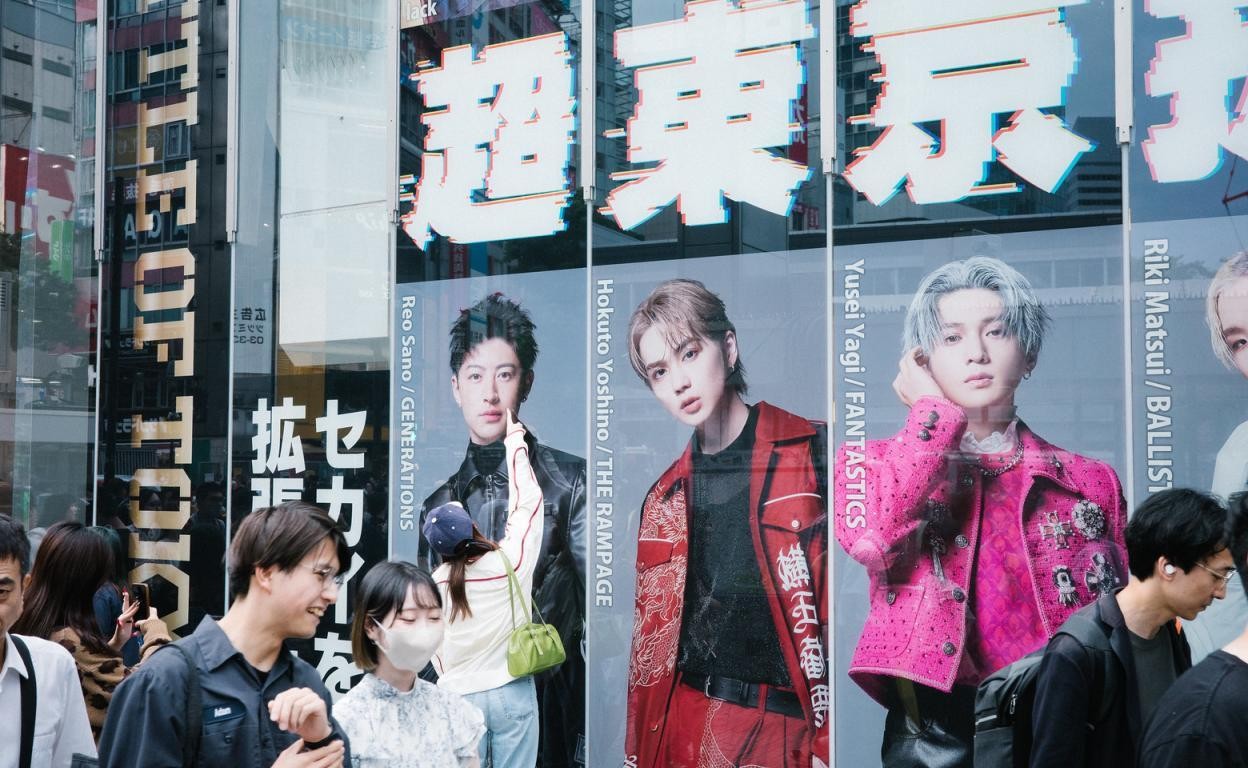
Tokyo — the world's largest metropolitan area (37 million people in the greater conurbation) and by many measures the world's greatest city — is a place of extraordinary paradoxes: ancient shrines between glass towers, whisper-quiet etiquette in a city of bewildering scale, artisanal ramen shops with Michelin stars in basement spaces the size of a living room, technology that seems a decade ahead of anywhere else in the world, and a culture of meticulous care — for food, for service, for craft, for tradition — that transforms every aspect of daily life into something elevated. First-time visitors invariably report the same thing: nothing prepares you for how civilised, how safe, how beautiful, and how profoundly different Tokyo is from anywhere else they have been.
The city is not one place but dozens of distinct neighbourhoods, each with its own character: Shibuya, with the world's busiest pedestrian crossing and the teenage fashion subcultures of Harajuku immediately north; Shinjuku, with its government towers and the labyrinthine Golden Gai bar district of 200 six-seat bars; Asakusa, the old low-city neighbourhood with the Senso-ji temple and the most traditional atmosphere in central Tokyo; Akihabara, the electric town of multi-storey anime and electronics shops; Ginza, the luxury shopping district; Yanaka, the old neighbourhood that survived the war and the earthquakes to retain wooden houses and a community feel; and dozens more. A week is enough to understand how little you understand of Tokyo. Two weeks begins to reveal its depths.
Shibuya, Harajuku & Shinjuku
Shibuya Crossing — the scramble intersection at Shibuya station where up to 3,000 pedestrians cross simultaneously from all directions every time the lights change — is the defining image of modern Tokyo and best experienced from the Starbucks second floor window overlooking the intersection, or from the free Shibuya Sky observation deck at the top of Scramble Square. Harajuku's Takeshita Street is the epicentre of Japanese youth fashion — a 350-metre pedestrian street of fashion boutiques, crepe stalls and cosplay shops that is simultaneously chaotic and commercially fascinating. The contrast with nearby Omotesando — a zelkova-tree-lined boulevard of flagship luxury stores in architecturally significant buildings (the Louis Vuitton by Jun Aoki, the Prada by Herzog & de Meuron) — is total and deliberate.
Shinjuku is Tokyo's busiest station (the world's busiest, handling 3.64 million passengers daily) and the city's most complex neighbourhood: the Tokyo Metropolitan Government Building observation decks (free, 202m) provide the best city panorama available without payment; the Kabukicho red-light district is simultaneously lurid and unexpectedly orderly; and Golden Gai — a network of tiny alleys containing over 200 bars, each seating 5–8 people — is one of the world's most extraordinary bar experiences, a place where an evening begins somewhere and ends anywhere.
Asakusa & Traditional Tokyo
Asakusa — the traditional shitamachi (low city) neighbourhood on the eastern bank of the Sumida River — has the oldest atmosphere in central Tokyo: the 7th-century Senso-ji temple (the most visited religious site in the world, with over 30 million visitors annually), approached through the Thunder Gate (Kaminarimon) and the shopping street of Nakamise-dori, is particularly beautiful at dusk when the lanterns are lit and the tourists have thinned. The Asakusa area rewards slow exploration: the Hoppy Street izakaya row, the Kappabashi kitchen equipment district (an entire street of professional kitchen suppliers, open to visitors), and the rickshaw rides through the backstreets of old Asakusa. Tokyo Skytree — the world's second-tallest structure (634m), visible from across the city — is directly across the Sumida River from Asakusa and has observation decks at 350m and 450m.
Food, Museums & Day Trips
Tokyo's food culture is the world's deepest and most technically sophisticated — the city has more Michelin stars than any other in the world (230+ restaurants), but its greatest pleasures are democratic: a bowl of Tsukiji Outer Market sushi at 7am, a perfect bowl of tonkotsu ramen in a standing noodle shop, conveyor-belt sushi at Sushiro for £12, a yakitori skewer at a smoky charcoal grill below a railway arch. The Tokyo National Museum in Ueno — Japan's largest museum, with 120,000 objects spanning Japanese history and art — is the finest museum in Asia. The Ghibli Museum in Mitaka (Studio Ghibli's dedicated museum, requiring tickets booked months ahead via the official lottery) is among the most charming museums on earth. Nikko (2 hours north) and Kamakura (1 hour south, home to the Great Buddha) are the finest day trips from Tokyo.