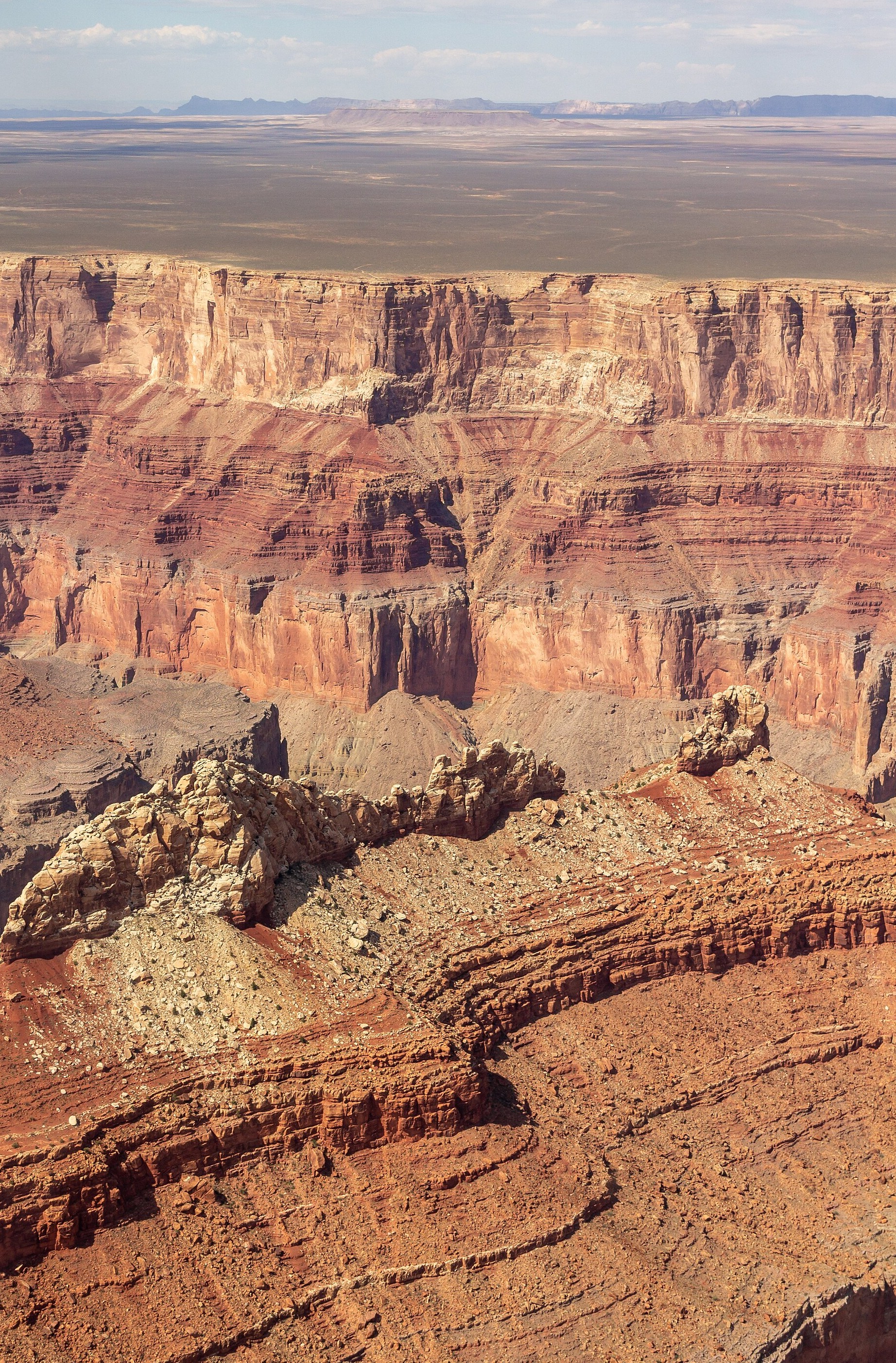
The United States National Park System — 63 designated national parks covering 34 million hectares across all 50 states — is arguably the greatest conservation achievement in human history and one of the world's great travel destinations. Established in 1872 with Yellowstone (the world's first national park), the system protects landscapes of extraordinary and diverse beauty: the 1,800-metre-deep chasm of the Grand Canyon, the geothermal otherworld of Yellowstone, the granite monoliths of Yosemite, the vermilion slot canyons of Zion, the hoodoo amphitheatres of Bryce Canyon, the glaciers of Glacier National Park, the glaciated fjords of Kenai Fjords in Alaska, the rainforests of Olympic National Park, the volcanic moonscape of Hawaii Volcanoes.
For UK visitors, the most accessible and rewarding parks cluster in the American Southwest (accessible from Las Vegas) and the Sierra Nevada of California (accessible from San Francisco or LA). A two-week Southwest road trip combining the Grand Canyon, Zion, Bryce Canyon, Arches, Canyonlands and Monument Valley — using Las Vegas as the hub — is the single greatest road trip on the North American continent. Yellowstone and Grand Teton in Wyoming are best accessed from Salt Lake City or Jackson Hole. Yosemite is 4 hours from San Francisco. The America the Beautiful Annual Pass ($80), covering entry to all 63 parks for a year, pays for itself after a single park visit.
The Grand Canyon & Zion
The Grand Canyon (Arizona, South Rim) is the defining American landscape — a geological revelation that most visitors describe as the first natural sight that genuinely humbled them. The canyon is visible from the rim viewpoints without any hiking, but the experience changes entirely when you descend: the Bright Angel Trail takes hikers down from the South Rim through successive geological layers (each layer a different colour: white Kaibab limestone, red Coconino sandstone, purple Hermit Shale, green Tonto Platform) to the Colorado River, 1,500 metres below. No day hiker should attempt the full descent and return in summer — rim-to-river return is a 24km, 1,500-metre-elevation-gain hike in desert conditions. The inner canyon Phantom Ranch (book a year ahead) is the only overnight accommodation at the canyon bottom.
Zion National Park (Utah, 2.5 hours from Las Vegas) — the most-visited park in the USA — has the Zion Canyon, a 24km gorge of Navajo sandstone where the Virgin River runs through a corridor of 600-metre walls. The Narrows (a slot canyon walk through chest-deep water) and Angels Landing (a chain-assisted ridge walk with 488 metres of ascent) are the signature experiences. The park's shuttle bus system (private vehicles are prohibited on the canyon floor) manages the extraordinary visitor numbers effectively — arrive at Springdale the night before for early morning access.
Yellowstone & Grand Teton
Yellowstone (Wyoming/Montana/Idaho) is the world's largest active volcanic system and the most geothermally active place on earth — over 10,000 hydrothermal features (geysers, hot springs, mud pots, fumaroles) are contained within the park's 8,983 square kilometres. Old Faithful — the world's most famous geyser — erupts every 60–110 minutes to heights of 30–55 metres and can be predicted to within 10 minutes. The Grand Prismatic Spring, at 91 metres wide the largest hot spring in the USA, is the park's most photographed feature: the vivid circular rings of orange, yellow and green (photosynthetic bacteria growing at different temperatures from the spring's edge to its 87°C centre) are extraordinary from the overlook above. Yellowstone's wildlife — bison herds of 5,000 individuals that frequently stop traffic, wolves (reintroduced 1995) in the Lamar Valley, grizzly bears, elk, pronghorn and moose — make it one of the world's great wildlife destinations.
Grand Teton National Park, immediately south of Yellowstone, has the most dramatic mountain scenery in the lower 48 states: the Teton Range rises 2,100 metres directly from the flat floor of Jackson Hole Valley with no foothills, the jagged peaks of Grand Teton (4,199m) and its neighbours reflected in the still waters of Jenny Lake and the Snake River. The 60km Teton Park Road, with the mountains to the west and the valley to the east, is one of America's greatest scenic drives.
Yosemite, Arches & Bryce Canyon
Yosemite National Park (California, 4 hours from San Francisco) contains one of the world's most famous valleys: a 11km granite canyon whose walls — El Capitan (2,308m, the largest monolithic granite face on earth), Half Dome, Bridalveil Fall, Yosemite Falls — have made it the most photographed wilderness in the USA. The Tunnel View overlook (at the eastern end of the Wawona Tunnel) gives the classic Yosemite Valley panorama; Valley Floor Loop cycling offers an accessible way to explore the valley without adding to the car congestion. The giant sequoias of Mariposa Grove — trees up to 85 metres tall and 2,700 years old — are among the most awe-inspiring living organisms on earth.
Arches National Park (Utah, 5 hours from Las Vegas) contains over 2,000 natural sandstone arches — more than anywhere else on earth. Delicate Arch, the 15-metre freestanding arch seen on Utah's licence plates, is a 3-mile round-trip hike through desert terrain. Bryce Canyon (Utah, 3 hours from Las Vegas) — not a canyon but the eroded edge of the Paunsaugunt Plateau — has the greatest concentration of hoodoo spires in the world, best seen at sunrise when dawn light turns the orange, pink and white formations incandescent. The Navajo Loop/Queen's Garden Trail combination (5.5km) descends among the hoodoos and is the finest hike in the park.