New York City is, for many UK visitors, the defining American experience — a city of impossible scale and relentless energy that somehow manages to be simultaneously overwhelming and deeply human. The island of Manhattan alone contains more cultural, culinary, architectural and historical significance per square kilometre than almost anywhere on earth, and the four outer boroughs (Brooklyn, Queens, the Bronx, Staten Island) each offer distinct neighbourhoods, cultures and experiences that reward further exploration. To arrive at JFK or Newark, cross the bridge or emerge from the tunnel into the canyons of Midtown, is to understand immediately why New York has inspired more music, literature and film than any other city on earth.
The city that was shaped by wave after wave of immigration — Dutch settlers, English colonists, Irish and Italian and Eastern European arrivals in the 19th century, Puerto Rican, Dominican, Chinese, Korean and South Asian communities in the 20th — is a place where the entire world is compressed into five boroughs. Eating your way through New York is itself a complete itinerary: the bagels of the Lower East Side, the dumplings of Flushing, the pizza of Brooklyn, the Dominican food of Washington Heights, the West African restaurants of Harlem. No other city on earth offers this kind of culinary breadth within walking distance of a single subway line.
Manhattan Landmarks
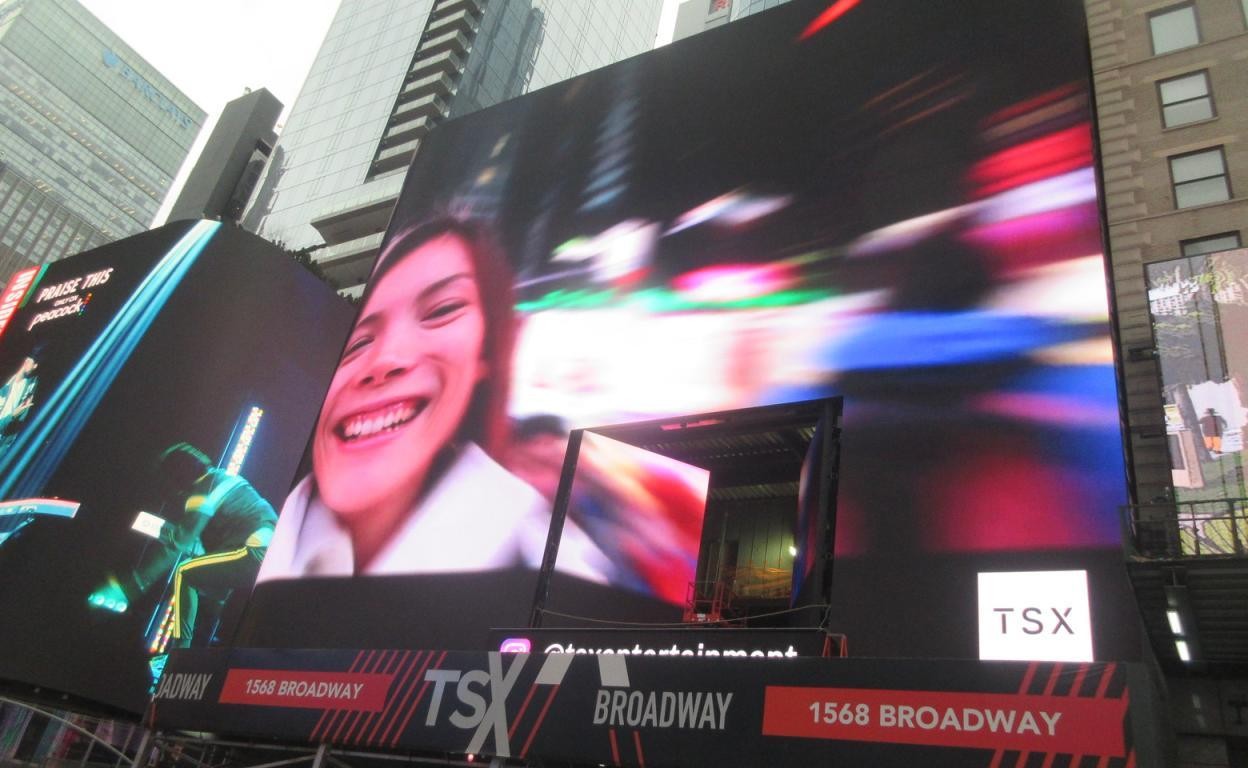
The Statue of Liberty and Ellis Island — reached by ferry from Battery Park — are the city's most powerful historical sites. Lady Liberty herself (her crown requires advance booking) is extraordinary; Ellis Island's immigration museum, documenting the 12 million people who passed through its halls between 1892 and 1954, is genuinely moving. The Empire State Building observation deck rewards on clear days with a panorama that makes Manhattan's grid suddenly legible; the Top of the Rock at Rockefeller Center gives the better view because you can see the Empire State Building from it. Times Square is a sensory overload that every visitor must experience at least once, at night, when the LED advertisements reduce the experience to something approaching sci-fi.
Central Park — 341 hectares of green at the island's geographic centre — is the great democratic public space of New York, where joggers, roller skaters, dog walkers, tourists, musicians and chess players share the same paths. The Bethesda Fountain, the Conservatory Garden, Strawberry Fields (the John Lennon memorial) and the Reservoir are the principal landmarks within it. The Metropolitan Museum of Art on the park's eastern edge is one of the world's greatest museums — an encyclopaedic collection spanning every culture and period that genuinely requires multiple days to do justice.
Brooklyn, the High Line & Neighbourhoods
The Brooklyn Bridge — walkable from both sides in about 30 minutes — provides the city's single most iconic view: the Manhattan skyline framed by the bridge's Gothic stone towers, best photographed from the Brooklyn side looking back at dawn or dusk. DUMBO (Down Under the Manhattan Bridge Overpass) on the Brooklyn waterfront has galleries, restaurants and the most photographed Manhattan view in the world (at the corner of Washington Street and Water Street, where the Manhattan Bridge frames a perfect corridor to the Empire State Building).
The High Line — a 2.3km elevated park built on a disused freight railway on Manhattan's West Side — is one of New York's great recent urban achievements: a linear park through the Chelsea arts district with curated planting, art installations and extraordinary views over the Hudson. Chelsea itself has the city's greatest concentration of art galleries. The West Village and Greenwich Village retain the bohemian character they've had since the 1950s; SoHo and Nolita have the best independent shopping; Chinatown and the Lower East Side offer the most authentic historical layering of immigrant New York.
Museums & Culture
Beyond the Met, New York's museum landscape is extraordinary. The Museum of Modern Art (MoMA) in Midtown holds the world's finest collection of modern and contemporary art — Picasso's Les Demoiselles d'Avignon, Monet's Water Lilies, van Gogh's The Starry Night, Warhol's Campbell's Soup Cans. The American Museum of Natural History on the Upper West Side has the finest dinosaur halls in the world and the Rose Center for Earth and Space. The Guggenheim Museum — Frank Lloyd Wright's spiralling rotunda on Fifth Avenue — is itself as significant as the Kandinsky and Klee collection within it. The Whitney Museum of American Art in the Meatpacking District, and the Brooklyn Museum (largest museum in New York after the Met), complete the major institutions. Broadway, running through the Theatre District around Times Square, remains the world's theatrical capital — book tickets in advance for major productions through the official TodayTix or Broadway.com platforms.