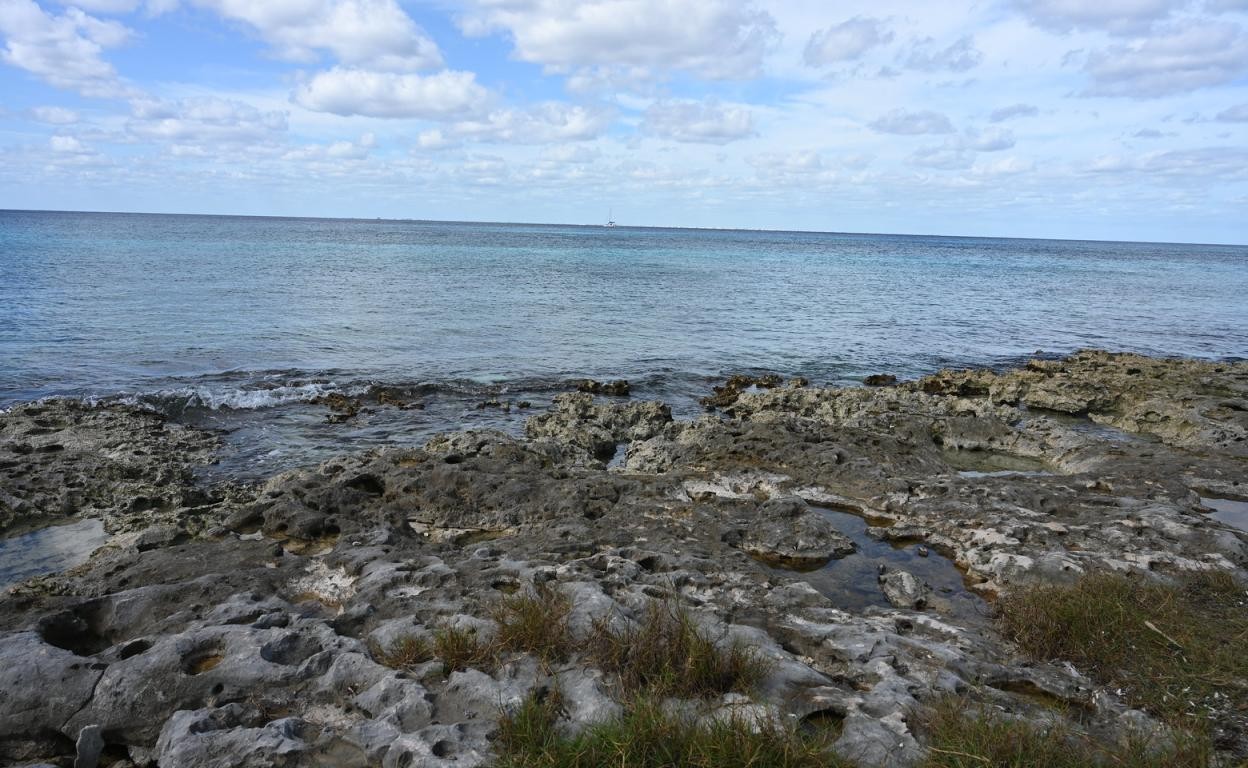
The Mayan ruins of Tulum occupy one of the most dramatic settings of any archaeological site in the Americas — a walled city perched on a 12-metre limestone cliff above the Caribbean Sea, its ancient stone temples silhouetted against a backdrop of impossibly turquoise water. While Tulum is smaller and less structurally impressive than Chichén Itzá or Uxmal, its location transforms every photograph into a composition of extraordinary beauty, and the ability to swim at the beach directly below the ruins after exploring them makes it the most pleasurably combined archaeological and beach experience in Mexico.
Tulum (which means "wall" in Yucatec Maya — referring to the defensive walls that enclosed the settlement on three sides) was one of the last cities built and inhabited by the Maya, occupied between approximately 1200 and 1521 CE. It functioned primarily as a port city and trading hub for maritime commerce — its position on the cliff edge, with a narrow beach below and a gap in the coastal reef that allowed Maya canoes to pass through, made it an ideal trading station. The founding of a Spanish settlement nearby in 1521 ended Maya occupation.
The Main Structures
El Castillo — the largest structure, positioned at the very edge of the cliff — served as a lighthouse of sorts: candles placed in the upper windows guided Maya canoes through the reef gap below. The Temple of the Frescoes contains the site's most significant murals (protected behind railings), depicting deities surrounded by corn, rain and astronomical symbols in vivid blue, red and yellow pigments that retain remarkable colour after 700 years. The Temple of the Descending God — a small platform topped by an unusual figure depicted diving or descending, thought to represent the setting sun or the bee god — appears on multiple structures throughout Tulum.
The Ruins Beach
The beach directly below the cliffs — accessible by a path at the site's northern end — is one of the Yucatán's finest: calm, clear, brilliantly turquoise and bookended by the ruins above and a wild limestone headland to the south. Swimming here, with the ruins visible on the cliff above, is one of Mexico's great experiences. The beach is open during site hours (8am–5pm); arrive early to beat the crowds from the Tulum town beach shuttle operators who bring visitors from 10am.
Tulum Town & Beyond
Tulum town (distinct from the ruins) has become one of Mexico's most fashionable destinations — a strip of boutique hotels, yoga studios, plant-based restaurants and beachside bars that mixes a bohemian wellness aesthetic with genuine Caribbean beauty. The beach road ("Tulum Beach") running south from the ruins has undergone rapid and controversial development; the northern end near the ruins remains the most beautiful. Further south, the Sian Ka'an Biosphere Reserve (UNESCO World Heritage Site) offers boat tours through pristine mangrove lagoons and Mayan canal systems.