The Masai Mara — a vast savannah ecosystem covering 1,510 square kilometres in southwestern Kenya — is Africa's most celebrated wildlife destination and the stage for one of the natural world's most extraordinary spectacles: the Great Migration. Each year, approximately 1.5 million wildebeest, 200,000 zebra and 350,000 Thomson's gazelle move in a vast loop between the Mara's endless grasslands and Tanzania's Serengeti — crossing the Mara River in scenes of dramatic chaos, chaos and predation that have made this one of television's most compelling natural history settings.
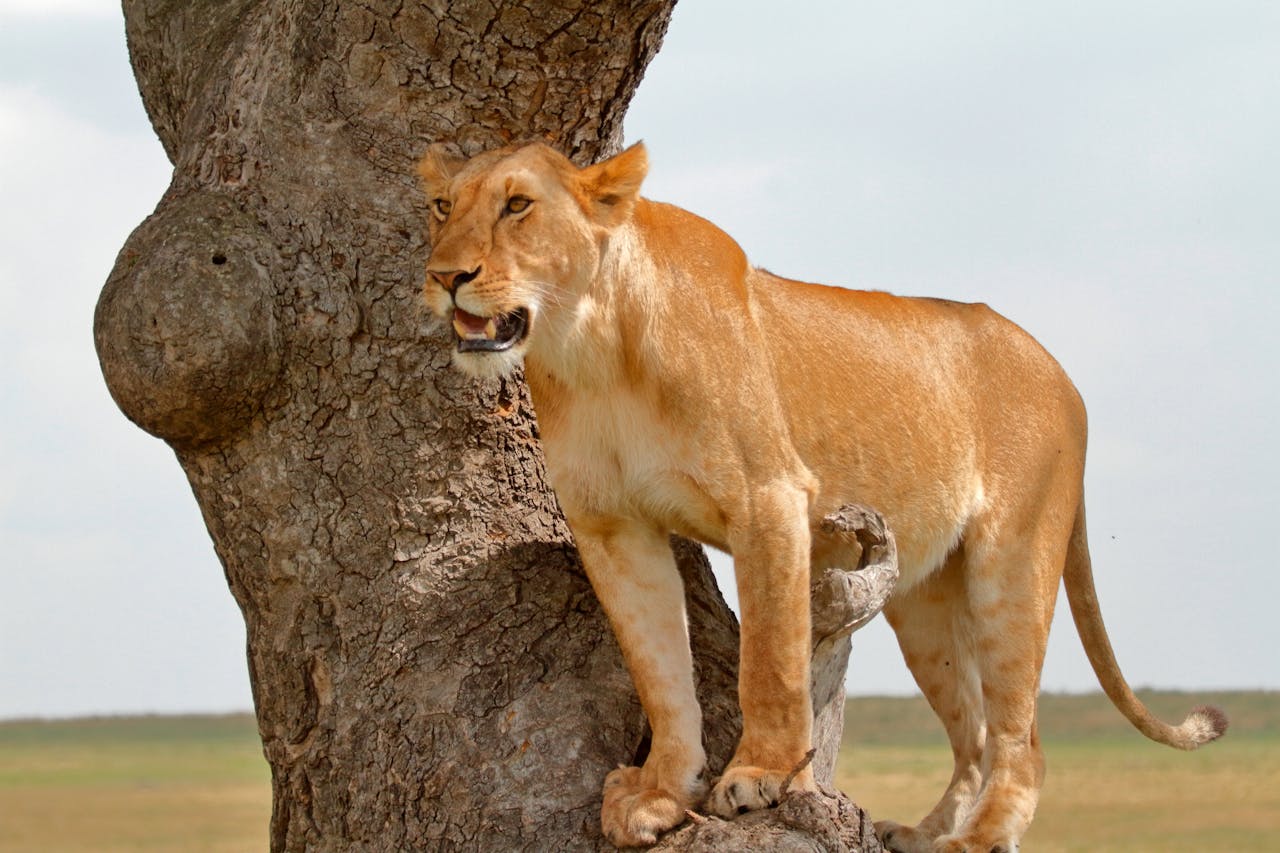
Beyond the migration, the Mara delivers year-round Big Five sightings of outstanding quality. The reserve has one of Africa's highest densities of lion — these habituated prides are often found resting within metres of game vehicles — and resident populations of leopard, cheetah, elephant, buffalo, hippo and the endangered black rhino. The sheer density and variety of wildlife, combined with the open, rolling topography that maximises sightlines, makes the Masai Mara consistently the most rewarding of all East African safari destinations.
The Great Migration
The River Crossing — where vast columns of wildebeest plunge into the crocodile-filled Mara River — is wildlife watching at its most dramatic and unpredictable. The migration reaches the Mara in July and remains through October before the herds move south again; crossings typically occur July to October but timing depends entirely on grass conditions and herd behaviour. No crossing is guaranteed on any particular day — the wait at a known crossing point, with vehicles lined along the bank watching for signs of movement in the distant herds, is itself a compelling experience.
Beyond the crossings, the migration brings thousands of predators to the Mara in the peak months: lion prides regularly hunt the river crossings, cheetah pursue gazelle across the open plains, and the Mara's hyperabundant leopard and hyena clans feast on the stragglers. The sheer volume and intensity of predator activity during migration season is unlike anything seen at any other time or place.
Hot-Air Balloon Safaris
Floating over the Masai Mara in a hot-air balloon at dawn is among the most extraordinary wildlife experiences in Africa — and one that justifies its considerable cost. At first light, when the herds are moving and the predators are active, the aerial perspective reveals the true scale of the ecosystem: vast elephant families drinking at the river, prides of lions scattered across golden grass, zebra in their thousands moving in loose columns across the plain.
Balloon flights typically launch at 6am and last about an hour over the reserve, followed by a champagne breakfast set up in the bush. Most of the major camps offer this as an optional excursion; book well in advance during peak migration season (July–October).
Maasai Culture & Community
The Masai Mara takes its name from the Maasai people who have lived alongside the wildlife of this region for centuries. Many Mara camps offer visits to traditional Maasai villages (manyattas) — an opportunity to witness the distinctive red-robed culture of East Africa's most iconic people, including traditional dancing, bead-work demonstrations and a guided tour of a traditional homestead. Increasingly, community conservancies adjacent to the reserve offer excellent wildlife experiences while channelling significant revenues directly to Maasai communities.