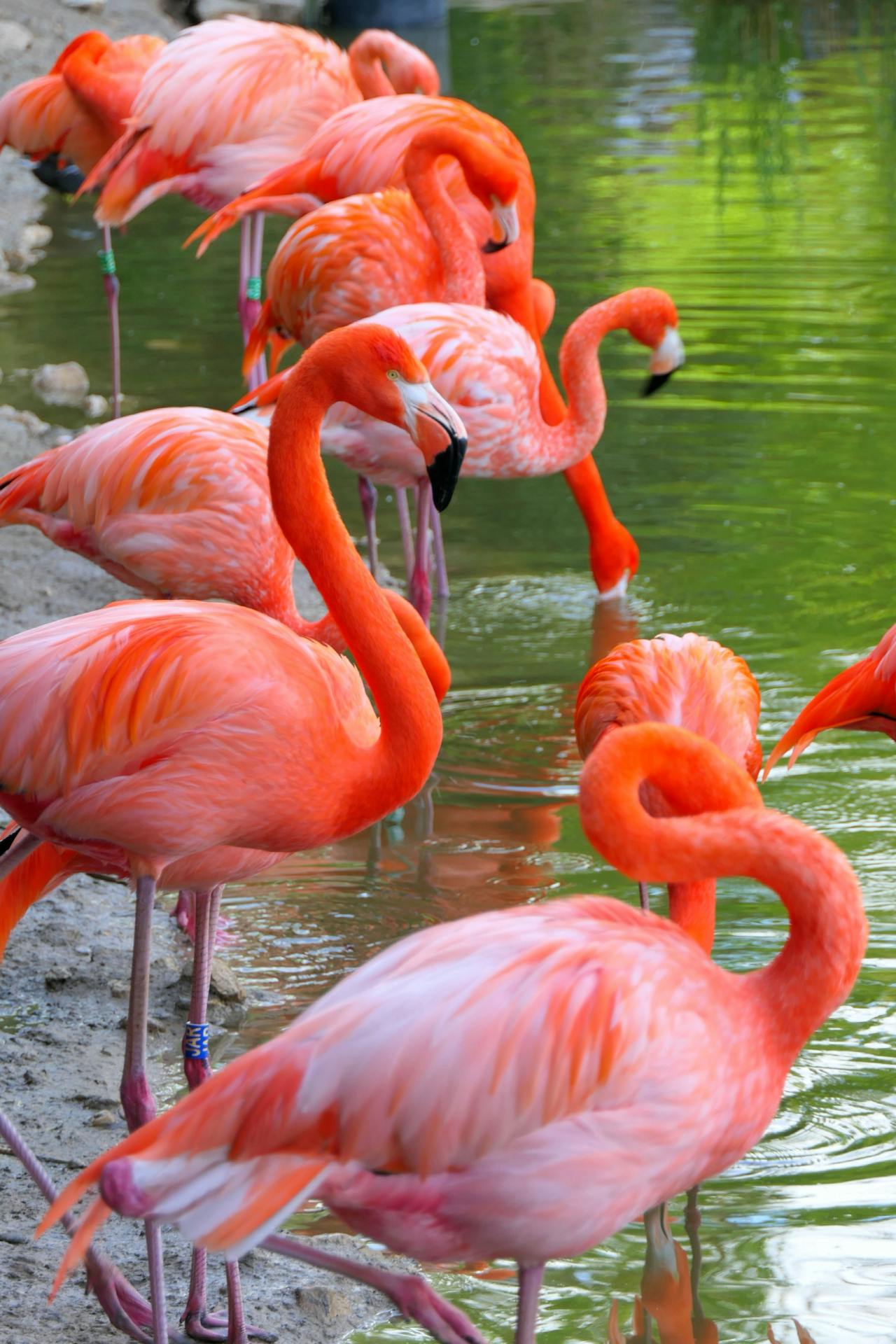
Lake Nakuru, in Kenya's Rift Valley 160km northwest of Nairobi, is one of Africa's most visually dramatic wildlife spectacles — a shallow alkaline lake whose edges turn pink when tens of thousands of lesser flamingos gather to feed on the blue-green algae that thrives in its mineral-rich waters. At its peak, an estimated two million flamingos have been recorded on the lake's shores, creating one of the most extraordinary ornithological sights on the planet. The flamingo numbers fluctuate significantly with lake levels and algae availability, but the lake is also home to an outstanding complement of other wildlife year-round.
The Lake Nakuru National Park, which encloses the lake and its surrounding acacia and euphorbia woodland, has been fenced since the 1980s making it one of Kenya's most important sanctuaries for both the endangered black rhino and the white rhino. Sightings of both species are among the most reliable in East Africa, making Nakuru an essential addition to any Kenya safari itinerary.
The Flamingos
The flamingo numbers at Nakuru have varied considerably in recent decades — the expansion of the lake following heavy rains reduced algae concentrations and caused large portions of the colony to move temporarily to Lake Bogoria (90km north). However, as the lake has stabilised, flamingos have returned in significant numbers. The best flamingo viewing is from Baboon Cliff viewpoint on the western shore, which provides an elevated view across the entire lake — the pink border created by thousands of birds standing in the shallows is genuinely otherworldly when conditions are right.
The greater flamingo (larger, with more white colouring) is also present in smaller numbers, alongside pelicans, cormorants, herons, storks and over 450 other bird species — making Nakuru one of Africa's premier birding destinations regardless of flamingo numbers.
Rhino Sanctuary
Lake Nakuru's perimeter fence — built primarily to protect the rhino population — has created one of East Africa's most successful rhino sanctuaries, now holding around 25 black rhinos and over 70 white rhinos. Rhino sightings in Nakuru are exceptionally good by African standards — patient game drives along the lake's southern shoreline and through the fever tree forests regularly yield close encounters with both species. Lions, leopards (some of Kenya's most regularly photographed leopards live in the fever trees near the southern picnic sites), buffalo and Rothschild's giraffe (one of the world's most endangered giraffe subspecies) are all present.
Practical Notes for Nakuru
Lake Nakuru is the most accessible of Kenya's major parks from Nairobi — a 2.5-hour drive on the A104 highway. This makes it ideal as a day trip for those based in Nairobi or as the first or last night of a Kenyan safari itinerary. Overnight stays at Lion Hill Camp or Sarova Lion Hill Game Lodge allow dawn and dusk drives when animal activity is at its peak. The park is small enough to be well-explored in a single full day if arriving early.