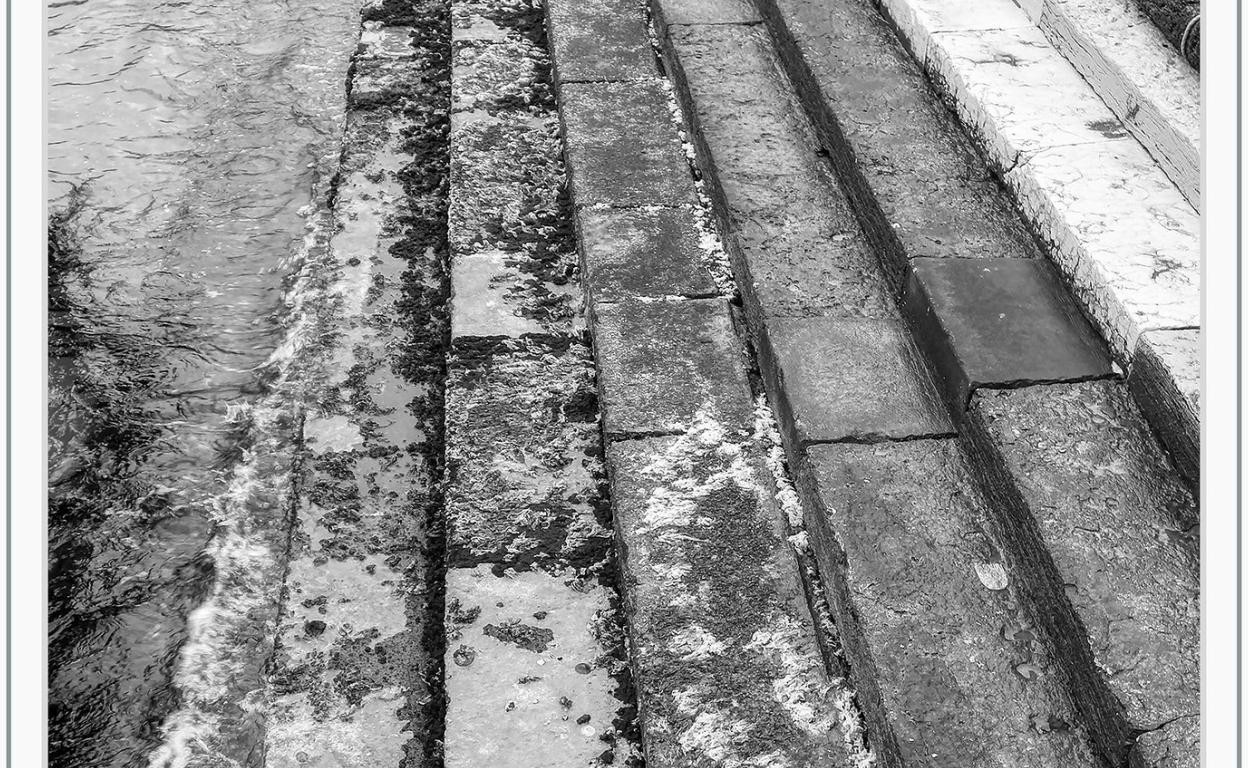
Venice (Venezia) — the island city of the Venetian lagoon, built on 118 small islands connected by 400 bridges over 177 canals, without a single car within its historic boundaries — is one of the most improbable cities ever built and one of the most beautiful: a UNESCO World Heritage Site of Byzantine, Gothic and Renaissance architecture rising directly from the waters of the Adriatic, its canals reflecting the palaces of the merchant aristocracy that built the Venetian Republic (La Serenissima, "the Most Serene") into the dominant maritime and commercial power of the medieval Mediterranean. The city is genuinely sinking (acqua alta — high water flooding — is an increasing phenomenon, the city subsiding at approximately 2mm per year while Adriatic sea levels rise) and genuinely threatened by the tourist pressure of 30 million annual visitors upon a resident population of 50,000; but it remains, despite everything, an irreplaceable human achievement and the most visually extraordinary city in Europe.
The Grand Canal — the 3.8km S-shaped main waterway that divides Venice in two, lined on both sides by over 200 palaces from the 13th to the 18th centuries, crossed by four bridges (the Rialto, the most famous) and served by the vaporetto waterbus system — is best experienced on the No. 1 vaporetto (the slow boat that stops at every landing stage, approximately 50 minutes from Santa Lucia station to Piazza San Marco), which provides the finest possible introduction to the city's extraordinary architectural sequence. This journey, taken in the early morning before the cruise ship day-trippers arrive, is one of the great experiences of European travel.
St Mark's & the Doge's Palace
Piazza San Marco — the "drawing room of Europe" (Napoleon's description) — is the civic heart of Venice and the only piazza in Venice (all other squares are campi): flanked by the Procuratie arcades, the Campanile (the bell tower, rebuilt after its 1902 collapse, with a lift to the top for the finest elevated view of Venice), the Correr Museum and the extraordinary basilica that gives the square its name. The Basilica di San Marco — built from 1063 CE over the tomb of the Evangelist Mark (whose relics were smuggled from Alexandria in 828 CE in a cargo of pork to prevent Muslim customs inspection), its five domes sheathed with Byzantine mosaics, its exterior encrusted with spoils looted from Constantinople during the 4th Crusade — is one of the finest Byzantine buildings in the world. Queue time for the basilica interior (free) exceeds 2 hours in summer — pre-book online (veneziaunica.it) for a small fee and skip the line. The Doge's Palace (Palazzo Ducale, €30 combined with Correr Museum) — the Gothic palace of the elected head of the Venetian Republic, its Bridge of Sighs connecting to the state prison — requires 2 hours and advance booking.
Getting Lost & the Sestieri
Venice's most essential instruction is to abandon the obvious tourist routes (San Marco – Rialto – Accademia) and get deliberately lost in the sestieri (the six districts) that the day-trippers never reach: Cannaregio (the working-class northern district, with the oldest Jewish Ghetto in Europe — the word "ghetto" originated here — excellent bacari wine bars on the Fondamenta della Misericordia), Dorsoduro (the finest neighbourhood for art and aperitivo: the Punta della Dogana contemporary art museum, the Accademia gallery's Tintorettos and Titians, the Campo Santa Margherita student-filled square), and Castello (the quiet eastern district, with the Arsenale shipyard where the Venetian galleys were built at the extraordinary rate of one per day during the Republic's height). The Rialto Market — on the San Polo bank of the Grand Canal, operating Tuesday–Saturday from 7am — is the finest food market in northern Italy: the fish stalls (under the 16th-century loggia) and the fruit and vegetable stalls beyond are the authentic shopping experience of Venice.
Islands of the Lagoon
The Venetian lagoon contains several islands that complement the city experience: Murano (20 minutes by vaporetto from the Fondamente Nove, famous for glass-blowing since the Venetian Republic moved the glass furnaces there in 1291 to protect the city from fire; the glass-blowing demonstrations at the factories are free, the finished products are expensive), Burano (45 minutes, the island of coloured houses and lace, its photogenic streets the most photographed in the lagoon) and Torcello (60 minutes, the oldest settlement in the lagoon, now nearly uninhabited, with the 7th-century Cathedral of Santa Maria Assunta whose Byzantine apse mosaic — the Last Judgement — is among the finest in Italy). The combined lagoon island trip (Murano, Burano, Torcello) can be done independently by vaporetto (No. 12 from Fondamente Nove) in a full day — a rewarding alternative to a fourth day in the city centre.