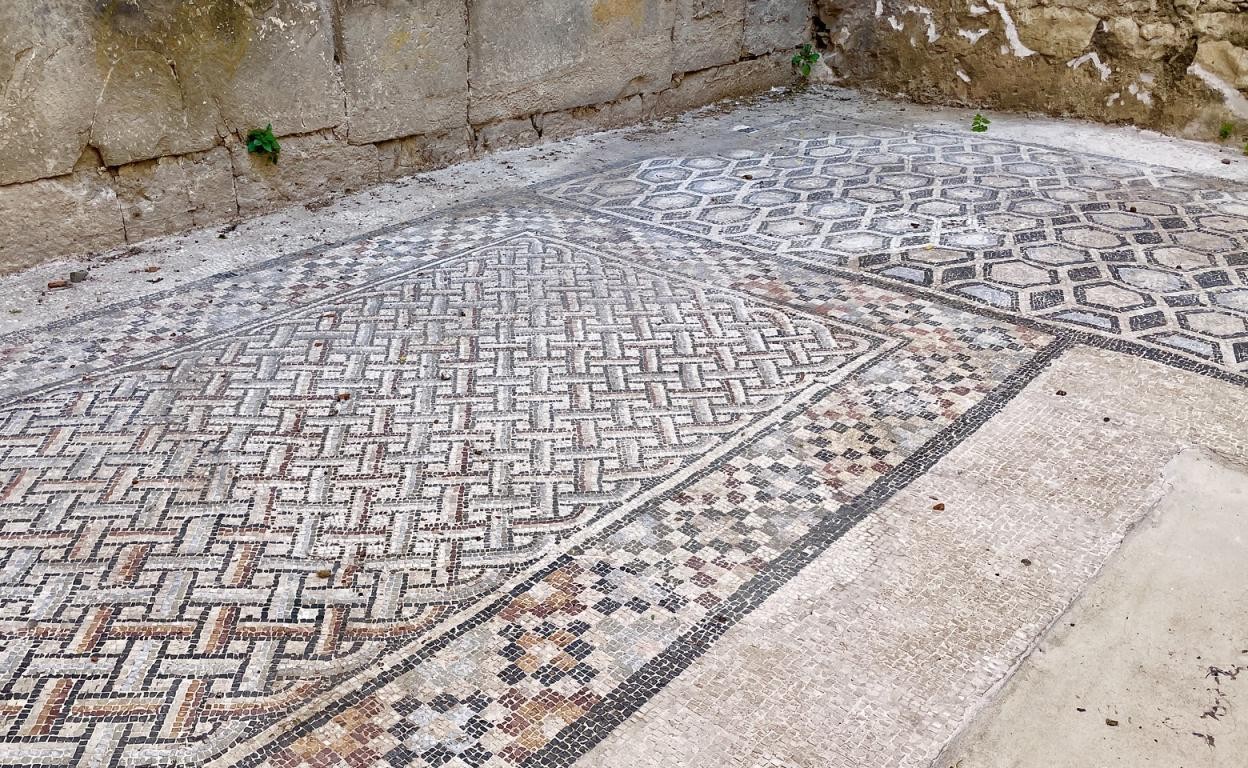
Split — Croatia's second city and the largest city on the Dalmatian coast — has one of the most extraordinary urban situations in Europe: its historic centre is not beside a Roman palace but literally inside one. Diocletian's Palace — built between 295 and 305 CE as the retirement residence of the Roman Emperor Diocletian (who abdicated in 305, the only Roman emperor to do so voluntarily) — is a UNESCO World Heritage Site and one of the best-preserved Roman complexes in the world. But what makes it unique among ancient monuments is that it is not an archaeological site preserved behind barriers: approximately 3,000 people live, work and socialise within the palace walls, their apartments built into the ancient Roman arches and peristyle, their cafés and restaurants in the ground-floor vaults where Diocletian's servants once lived, their laundry strung between columns where emperors once walked.
The palace covers 31,000 square metres and its massive defensive walls (6 metres thick, up to 20 metres high) enclose a grid of Roman streets — the cardo and decumanus — still clearly legible beneath the medieval and later buildings added within. The Peristyle (the central ceremonial courtyard) is the architectural heart, where Diocletian received visitors before the entrance to his apartments; it is now an outdoor café terrace and concert venue, flanked by the Cathedral of Saint Domnius (the Roman mausoleum of Diocletian, converted to a Christian cathedral in the 7th century — surely history's greatest architectural irony, given that Diocletian was the last Roman emperor to persecute Christians) and the Vestibule (the domed entrance hall to Diocletian's private quarters).
Within the Palace Walls
The exploration of Diocletian's Palace is a matter of wandering without specific itinerary — the labyrinthine streets within the walls reward getting lost. The underground halls (Podrum) below the Peristyle are the best-preserved Roman rooms: vaulted brick and stone chambers that mirrored the layout of the imperial apartments above (long since rebuilt) and now function as exhibition and event space. The Cathedral of Saint Domnius (Katedrala Svetog Duje) — entered through the Roman octagonal mausoleum building — has exquisite 13th-century choir stalls and a fine Romanesque campanile (climb for the harbour view, approximately €5). The Golden Gate on the north wall (the most impressive of the palace's four gates, its original imperial grandeur still legible) has, just outside it, a colossal bronze statue of Bishop Gregory of Nin by Ivan Meštrović — rub the big toe for luck, though the shine from a million hands has made this an unavoidable ritual.
Split Town & the Riviera
Outside the palace walls, Split's Riva promenade — the seafront boulevard along the harbour — is the city's daily living room: lined with café tables, it faces the islands of Brač, Hvar and Šolta across the water and is one of Croatia's finest people-watching venues. Split's Meštrović Gallery (the Croatian sculptor Ivan Meštrović's former Split villa, converted to a museum of his work) is one of the finest small sculpture museums in Europe. The Dalmatian seafood restaurants behind the Riva and in the Varoš neighbourhood serve some of the finest grilled fish and black risotto on the Adriatic coast. Split is also the ferry hub for the Dalmatian islands — Brač (30 minutes, with the extraordinary Zlatni Rat beach), Hvar (1 hour) and Vis (2.5 hours) are all accessible daily.
Getting Around the Dalmatian Coast
Split's position midway along the Croatian coast makes it the ideal base for Dalmatian exploration. The Jadrolinija ferry network connects Split to Hvar (1 hour), Vis (2.5 hours), Brač (30 minutes), Šolta and — on the overnight coastal ferry — Dubrovnik (9 hours). The catamaran services (faster, more expensive) reduce journey times considerably. Driving north from Split to Šibenik (1 hour) and Zadar (1.5 hours), with a detour to Krka National Park (Šibenik, 30 minutes inland), covers the northern Dalmatian highlights efficiently. The drive south to Dubrovnik (4 hours via the coastal road) through Makarska and the Pelješac peninsula is one of Croatia's finest.