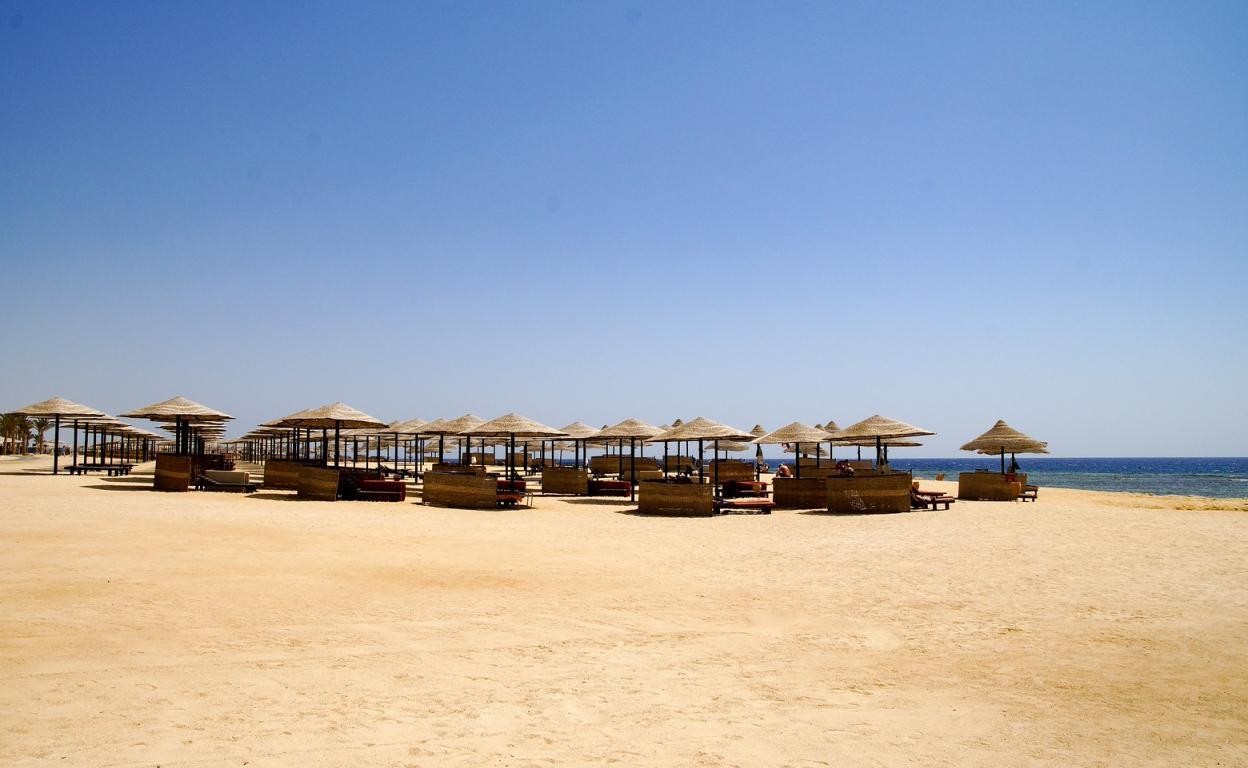
Egypt's Red Sea coastline offers some of the world's finest and most accessible diving and snorkelling — extraordinary coral reefs teeming with marine life, crystal-clear visibility (typically 20–30 metres), warm water year-round (22–28°C) and an established tourist infrastructure that makes learning to dive here one of the world's best-value experiences. The main resort towns of Hurghada (on the central Egyptian coast) and Sharm el-Sheikh (at the tip of the Sinai Peninsula) have built thriving dive industries around these natural assets, while the smaller, more chilled town of Dahab has become a globally renowned centre for technical and freediving.
The Red Sea is warm, clear and calm because it is an inland sea — almost entirely enclosed, with minimal tidal variation and no significant swell in most locations. The coral reefs have been largely preserved (though suffering some bleaching in recent decades) and support an extraordinary diversity of life: lionfish, moray eels, blue-spotted stingrays, Napoleon wrasse, dolphins, turtles and the occasional whale shark in the southern regions.
Hurghada: Beach Resorts & Beginner Diving
Hurghada — the largest Red Sea resort town — is primarily known as a package holiday destination, but it sits alongside some excellent diving. The House Reef at Abu Nuhas (the "Ship Graveyard") holds four accessible wreck dives within 30 minutes' boat ride. Giftun Island National Park, with its powdery white beaches and abundant snorkelling, is the area's most popular day trip. Most of Hurghada's major hotels have direct beach access and house reefs accessible by snorkel.
Hurghada is the ideal base for first-time divers — the water is calm, visibility is excellent and PADI Open Water courses cost a fraction of European prices (typically £200–250 for a full 4-day certification course). Dozens of PADI dive centres operate here, ranging from large resort operations to small specialist shops; standards are generally high.
Sharm el-Sheikh: Ras Mohammed & Blue Hole
Sharm el-Sheikh, at the southern tip of the Sinai Peninsula where the Gulf of Aqaba meets the Gulf of Suez, is home to Ras Mohammed National Park — widely considered Egypt's finest dive site and one of the top 10 in the world. The Shark Reef and Yolanda Reef drop-off walls are covered in soft corals of extraordinary beauty; shark sightings (white-tip reef sharks, hammerheads in season) are common. The Thistlegorm, a British WWII supply ship sunk by German bombers in 1941 and lying at 30m in the Straits of Gubal, is one of the world's most famous wreck dives.
Dahab's Blue Hole — a 100m+ vertical sinkhole in the reef — is one of the most iconic (and statistically dangerous) dive sites in the world. The "Bells to Blue Hole" dive around the outside of the hole at 25–30m is spectacular and entirely safe for recreational divers; descending into the hole itself requires technical training and is not recommended for recreational divers.
Snorkelling Without a Dive Cert
Egypt's Red Sea is exceptional for snorkelling — some of the finest reefs are accessible in 1–3 metres of water, requiring no diving certification. The house reefs at Marsa Alam (particularly Marsa Abu Dabbab, where dugongs and sea turtles are regularly seen), the shallow reefs of Dahab's Lighthouse dive site, and the coral gardens around Giftun Island are all outstanding snorkelling destinations. Almost all dive boats in Hurghada and Sharm welcome snorkellers alongside divers.