Dubai Creek — the narrow saltwater inlet that divides the city into Deira (the northern bank, the historic commercial and trading quarter) and Bur Dubai (the southern bank, the historic residential and governmental quarter), approximately 14km long and 300–500 metres wide, dredged to accommodate cargo vessels from the 1960s onwards — is the origin of the city itself: the Al Maktoum family settled here in 1833, attracted merchants from across the Gulf and the Indian Ocean world with low customs duties, and established Dubai as the preeminent free-trade port of the lower Gulf — a status it has maintained, in continuously transformed form, for nearly two centuries. The creek is still a working port (the abra crossing boats have ferried pedestrians since the founding; the dhow wharves at Deira still see traditional wooden cargo vessels loading and unloading goods for the Iranian coast, Somalia and East Africa) and a fully navigable historical archive of pre-oil Dubai, its banks preserving a sequence of buildings, souks and cultural institutions that the new city's development has bypassed rather than replaced.
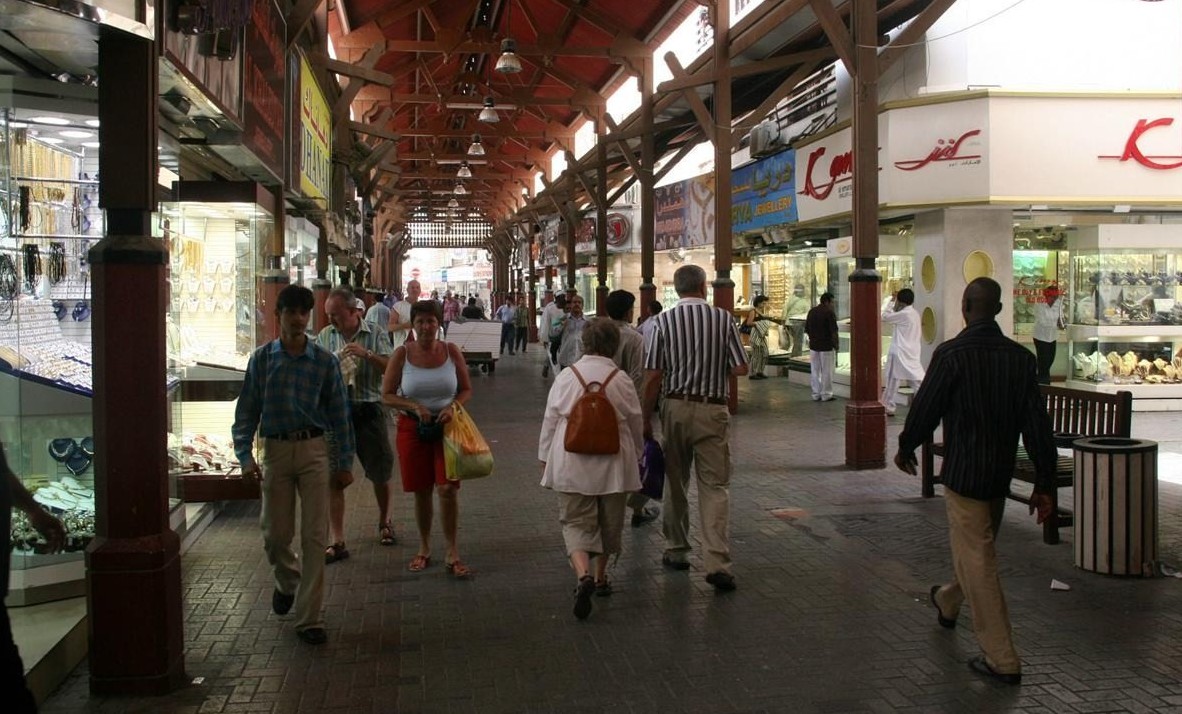
The experience of old Dubai — crossing the creek by abra (the traditional wooden water taxi, AED 1, the finest single transaction in the city), navigating the Gold Souk's alleys at morning before the crowds arrive, walking the Al Fahidi Historic District's wind-tower lanes, and eating at an Iranian restaurant in Bur Dubai where the clientele is 90% South Asian workers rather than tourists — is categorically different from the Dubai of the Burj Khalifa and the mall promenades, and consistently undervisited by visitors who spend the duration of their trip in the new city without ever crossing the creek.
Al Fahidi Historic District & the Dubai Museum
Al Fahidi Historic District — the most intact surviving section of pre-oil Dubai, a quarter of traditional Arabic wind-tower houses (the barjeel — a four-sided tower that catches wind from any direction and channels it down into the rooms below, the Gulf's pre-air-conditioning cooling technology) restored and converted into art galleries, boutique hotels (the XVA Hotel, the finest small hotel in old Dubai), restaurants, the Sheikh Mohammed Centre for Cultural Understanding, and the Majlis Gallery (the oldest commercial art gallery in the UAE, specialising in traditional and contemporary Arab art) — is the finest urban heritage experience in Dubai: the lanes are narrow, shaded and quiet, the wind towers extraordinary in their architectural ingenuity, and the contrast with the glass tower skyline visible above the low rooflines is profound. The Dubai Museum (in the Al Fahidi Fort, the oldest building in Dubai, dating from 1787, AED 3 entry — one of the cheapest museum entries in the world) provides the historical context for everything visible in the old city: 10,000 years of human settlement in the Dubai region, the pearl diving era, the early trading history and the transformation of the 1960s–1970s compressed into an engaging 45-minute experience.
The Abra & the Dhow Wharves
The abra crossing — the wooden motorised boat service that has ferried pedestrians between Deira and Bur Dubai across the creek since before the bridges were built (there are now two bridges, but the abra persists for the 1km central creek section, operating from two main stations: the Deira Abra Station at the Gold Souk waterfront, and the Bur Dubai Abra Station at the Al Fahidi Historic District waterfront) — costs AED 1 and runs continuously from approximately 6am to midnight, filling with passengers and departing when full (every 2–4 minutes). The crossing takes 5 minutes and provides the finest ground-level view of the creek: the dhow wharves on the Deira bank, the wind towers of Al Fahidi on the Bur Dubai bank, the cargo vessels and the city skyline beyond. Private abra hire (AED 100–200 per hour for the whole boat, negotiated at the abra station) for a creek tour of the full 14km from the sea to the Maktoum Bridge is the finest single hour in old Dubai: the dhow wharves, the narrow sections near the central creek bend, and the gradual transition from old to new city as you move inland are all visible from the water in ways impossible from the banks.
Al Seef & Eating in Old Dubai
Al Seef — the 1.8km waterfront promenade development along the Bur Dubai bank of the creek between the Floating Bridge and the old city, opened 2017, designed to recreate a historic Gulf trading-port atmosphere with a mix of traditional architecture, modern hotels (the Vida Hotel Al Seef is the best-positioned hotel in old Dubai, with creek-view rooms) and restaurants — is the most atmospheric eating and walking district in the old city: the promenade itself (free, open all hours) is lined with restaurants ranging from the Lebanese (Zaroob, excellent cheap mezze) to the Iranian (the Iranian restaurants of Bur Dubai — particularly on Al Mankhool Road — are among the finest in the region: flatbreads from the tandoor oven, saffron rice, and grilled lamb at prices well below the tourist strip), traditional Emirati coffee houses and a Friday fish market at the promenade's southern end. The Sheikh Mohammed Centre for Cultural Understanding (in Al Fahidi, near the creek; booking at cultures.ae) offers weekly "Open Doors" breakfasts and dinners with Emirati families — the most direct cultural exchange available in Dubai, and the most consistently praised experience among thoughtful visitors to the city.