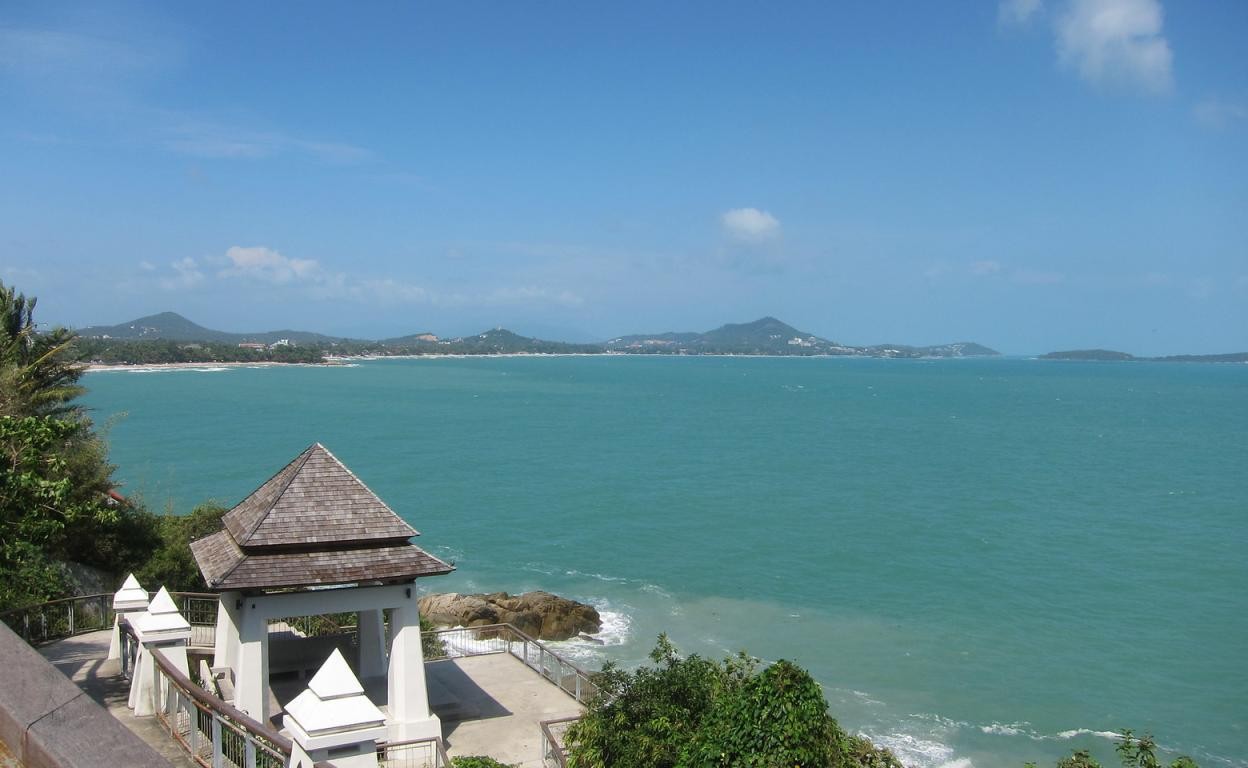
Koh Samui — Thailand's second-largest island and the Gulf of Thailand's most developed resort destination — occupies a sweet spot between accessibility and natural beauty: well-served by direct international flights (Bangkok Airways operates from multiple Thai cities, and several international carriers now serve Samui Airport directly), with a range of accommodation from backpacker guesthouses to ultra-luxury private villa resorts, and an infrastructure of beaches, restaurants and activities that rewards both independent travellers and those who prefer resort comfort. The island's 80km coastline encompasses a range of beach characters — Chaweng on the northeast coast is the liveliest and most commercial; Bo Phut in the north has a charming Fisherman's Village of converted Chinese shophouses; Mae Nam on the north coast is quieter and family-friendly; Lamai in the southeast is the second resort centre; and the west coast has secluded private resort beaches.
Koh Samui's interior — largely unexplored by most visitors who remain on the coast — is forested highland, coconut plantations and the water catchment jungle that gives the island its rivers and waterfalls. Na Muang Waterfalls (a 20-minute drive from the beach road into the interior) have two tiers of freshwater falls — the lower accessible by car, the upper (75 metres, the most spectacular) by a 45-minute jungle hike. The island's 2,000-acre national park, Ang Thong Marine National Park (42 islands 30km northwest), is accessible on day tours and offers some of the Gulf's finest snorkelling, kayaking and landscape photography.
Beaches & Water Sports
Chaweng Beach — the longest beach on Koh Samui (6km, northeast coast) — has the finest sand and the most developed resort infrastructure, with water sports available every 50 metres: banana boats, jet skis, parasailing, kayaks and stand-up paddleboards. The water is warm (28–30°C) and calm inside the reef year-round in the Gulf's dry season (December–May). Chaweng's northern end is the most attractive section, with cleaner sand and fewer umbrellas; the southern end near Chaweng Lake is more commercial. Bo Phut Beach (north coast) has the atmospheric Fisherman's Village walking street (Friday night market, independent boutiques, restaurants in renovated shophouses) — quieter and more charming than Chaweng, with a distinct Thai character.
Ang Thong Marine National Park
Ang Thong Marine National Park — an archipelago of 42 limestone islands 30km northwest of Koh Samui, declared a national park in 1980 — is one of the Gulf of Thailand's finest natural areas and the location that inspired Alex Garland's novel The Beach (the film was made at Phi Phi, but the book's location was Ang Thong). Day tours from Koh Samui (approximately £35–50 per person) include the boat journey, snorkelling, kayaking through the park's sea caves and internal lagoons (the Emerald Lake at the summit of the main island Koh Mae Ko, reached by 30 minutes of steep jungle trail, rewards with a landlocked saltwater lake of emerald green surrounded by limestone cliffs), and lunch on the beach. The snorkelling in Ang Thong is generally better than on the reefs immediately around Koh Samui.
Koh Tao & Neighbouring Islands
Koh Samui's position in the Gulf makes it the natural base for exploring the Samui Archipelago: Koh Phangan (1 hour north by ferry, famous for the Full Moon Party at Hat Rin Beach but also an island of genuine beauty and excellent snorkelling away from the party area) and Koh Tao (2.5 hours north, the cheapest and most accessible place in Southeast Asia to get PADI Open Water certified — the clarity and marine life of the dive sites around Koh Tao make it one of the world's finest learning environments) are both easily reached. The Full Moon Party at Koh Phangan (every month at the full moon, approximately 20,000–30,000 attendees) is one of Southeast Asia's most famous party events — genuinely extraordinary in scale, best experienced with firm plans for getting home safely.